
That uneasy feeling before visiting the dentist is far more common than most realize, with many adults in Lynnwood, Washington, facing genuine emotional distress about dental appointments. Left unchecked, this cycle of worry can lead to missed visits and worsening oral health. Understanding the roots of dental anxiety and how compassionate care, comfort amenities, and sedation options can help is key to creating a dental experience that feels safe and manageable.
Table of Contents
- What Dental Anxiety Really Means
- Common Triggers and Causes Explained
- Signs and Effects on Oral Health
- Approaches to Manage Dental Fear
- Comfort Amenities and Sedation Choices
Key Takeaways
| Point | Details |
|---|---|
| Understanding Dental Anxiety | Dental anxiety is a complex emotional response that can significantly impact an individual’s oral health and well-being. Identifying its triggers is essential for personalized management strategies. |
| Common Triggers | Triggers such as sounds, clinical environments, and anticipated pain can provoke anxiety, often rooted in personal experiences. Addressing these factors is crucial for effective coping. |
| Effects on Oral Health | Dental anxiety can lead to avoidance of care and neglect of oral hygiene, resulting in more severe dental problems over time. Recognizing this cycle is vital for intervention. |
| Management Strategies | A multifaceted approach, including open communication with dental providers, relaxation techniques, and sedation options, can help mitigate anxiety and improve patient comfort during treatments. |
What Dental Anxiety Really Means
Dental anxiety is a complex psychological condition that goes far beyond simple nervousness about dental appointments. It represents a profound emotional response characterized by intense fear and apprehension related to dental treatments. Persistent worry about dental procedures can significantly impact an individual’s oral health and overall well-being.
At its core, dental anxiety stems from multiple potential sources. Past traumatic experiences, fear of pain, and anticipation of invasive procedures can trigger intense emotional responses. Some patients develop such severe anxiety that they avoid dental visits entirely, which paradoxically leads to worsening oral health conditions. The psychological mechanism involves an exaggerated fear response that transforms routine dental care into a perceived threat.
The manifestations of dental anxiety vary widely among individuals. For some, it might involve mild discomfort and increased heart rate, while for others, it can trigger full-blown panic attacks. Complex anxiety disorder characteristics suggest that these reactions are deeply rooted in personal experiences and psychological frameworks. Understanding these emotional responses is crucial for developing effective coping strategies and seeking appropriate professional support.
Pro Tip: Consider discussing your specific anxiety triggers with your dental professional before your appointment to develop personalized comfort strategies.
Common Triggers and Causes Explained
Dental anxiety is rarely random and often stems from deeply personal experiences and psychological mechanisms. Specific dental environment stimuli can trigger intense emotional responses, transforming routine medical visits into potential sources of significant stress. These triggers range from sensory experiences to deeply rooted psychological patterns that create a complex emotional landscape.

Perhaps the most common triggers include the sound of dental equipment, particularly high-pitched drills, and the anticipation of potential pain. Traumatic dental experiences and instrument fears can create lasting psychological impressions that transform simple dental procedures into perceived threats. The clinical environment itself - with its sterile smells, sharp instruments, and clinical lighting - can provoke feelings of vulnerability and helplessness.
Psychological research suggests that dental anxiety is often multifaceted, involving complex interactions between past experiences, personal sensitivities, and learned behavioral responses. Some individuals develop anxiety from childhood experiences, while others might have heightened sensitivity due to previous painful medical procedures. The fear is not just about physical discomfort, but also about feeling exposed, losing control, and experiencing potential embarrassment during vulnerable moments.
Here’s a summary of common dental anxiety triggers and their psychological roots:
| Trigger Source | Associated Feeling | Underlying Cause |
|---|---|---|
| Sounds (drills/tools) | Immediate fear, agitation | Conditioning from past discomfort |
| Clinical environment | Vulnerability, helplessness | Sensory sensitivity, past trauma |
| Anticipated pain | Dread, avoidance | Previous negative experiences |
| Instrument visibility | Loss of control | Heightened sensory awareness |
| Embarrassment/fear of judgment | Shame, withdrawal | Negative self-image, social anxiety |
Pro Tip: Practice relaxation techniques like deep breathing or mindfulness meditation before dental appointments to help manage anxiety and create a sense of personal control.
Signs and Effects on Oral Health
Dental anxiety creates a destructive cycle that can significantly compromise oral health. Integrated mental health approaches reveal how psychological distress directly impacts dental care behaviors and overall oral wellness. When patients experience intense anxiety, they often develop protective behaviors that paradoxically worsen their dental condition.

The most prominent signs of dental anxiety’s impact include consistent avoidance of routine dental checkups, prolonged periods between professional cleanings, and neglected oral hygiene practices. Patients might brush and floss less frequently, rationalizing their behavior through fear-driven narratives. This neglect can rapidly escalate into more serious dental issues like advanced tooth decay, gum disease, and potential tooth loss, transforming what could have been preventable problems into complex medical challenges.
Psychological research demonstrates that dental anxiety does not just affect dental visits but creates a comprehensive health vulnerability. Chronic anxiety can trigger physiological stress responses that compromise immune function, potentially slowing healing processes and increasing susceptibility to oral infections. The emotional toll manifests through increased muscle tension, teeth grinding, and compromised immune responses that can further deteriorate oral health. The interconnection between mental state and physical wellness becomes starkly evident in how dental anxiety can systematically undermine an individual’s entire oral ecosystem.
Pro Tip: Consider scheduling shorter, more frequent dental appointments to build comfort and gradually reduce anxiety while maintaining consistent oral health monitoring.
Approaches to Manage Dental Fear
Addressing dental anxiety requires a multifaceted strategy that combines psychological support, communication, and practical coping mechanisms. Comprehensive dental anxiety management involves creating a personalized approach that addresses individual fears and comfort levels. Understanding that each patient’s experience is unique is the first step toward developing effective anxiety reduction techniques.
Communication emerges as a critical tool in managing dental fear. Patients should establish open dialogues with their dental providers, clearly expressing their specific anxieties and establishing comfortable boundaries. This might include agreeing on stop signals during procedures, requesting step-by-step explanations of treatments, and discussing potential sedation options. Some individuals find significant relief through distraction techniques such as listening to music, using noise-canceling headphones, or engaging in guided meditation before and during dental visits.
Professional interventions can provide additional support for those experiencing severe dental anxiety. Sedation options ranging from mild nitrous oxide to more comprehensive IV sedation can help patients who struggle with intense fear. Psychological techniques like cognitive behavioral therapy can also help patients reframe their perceptions of dental procedures, gradually reducing anxiety through systematic exposure and positive reinforcement. The goal is not just to manage a single dental visit, but to build long-term comfort and confidence in dental care environments.
Pro Tip: Request a preliminary consultation focused entirely on discussing your anxiety, allowing you to build trust with your dental provider before any actual treatment begins.
Comfort Amenities and Sedation Choices
Modern dental practices recognize that patient comfort extends far beyond medical treatment, incorporating comprehensive strategies to reduce anxiety and create positive experiences. Innovative sedation techniques now blend pharmacologic and non-pharmacologic approaches to address individual patient needs and anxiety levels. This holistic approach transforms dental visits from potentially stressful encounters into manageable, even comfortable experiences.
Sedation options range from minimal anxiety reduction to more comprehensive approaches. Nitrous oxide provides light sedation for patients with mild anxiety, while oral sedatives offer deeper relaxation. For those with severe dental phobia, intravenous sedation can create a near-sleep state during procedures. Sedation safety protocols ensure patient well-being, with carefully monitored administration and dosage tailored to individual health profiles.
Beyond chemical interventions, dental offices now offer numerous comfort amenities designed to reduce stress. Noise-canceling headphones, personal entertainment systems, weighted blankets, and calming visual displays help patients feel more relaxed. Some practices provide aromatherapy, warm blankets, and even therapy animal visits to create a more soothing environment. These thoughtful additions acknowledge that dental anxiety is a real and valid experience that deserves compassionate, comprehensive management.
See how sedation choices compare for managing dental anxiety:
| Sedation Type | Anxiety Level Addressed | Patient Awareness |
|---|---|---|
| Nitrous oxide | Mild | Awake, relaxed |
| Oral sedatives | Moderate | Drowsy, still aware |
| IV sedation | Severe | Near-sleep, little memory |
| Comfort amenities | All levels | Fully aware, comforted |
Pro Tip: Request a pre-procedure consultation to discuss your specific comfort needs and explore personalized sedation and amenity options.
Overcome Dental Anxiety and Protect Your Smile Today
Recognizing how dental anxiety creates a challenging cycle of fear and avoidance is the first step toward reclaiming both your oral health and peace of mind. If you have felt vulnerability, dread, or loss of control at the thought of dental visits the compassionate team at DentalAteliers.com understands these feelings deeply. With tailored comfort amenities like noise-canceling headphones and personalized care strategies, Dr. Kunal Narang’s practice in Lynnwood, WA, offers a welcoming environment designed to ease your worries.
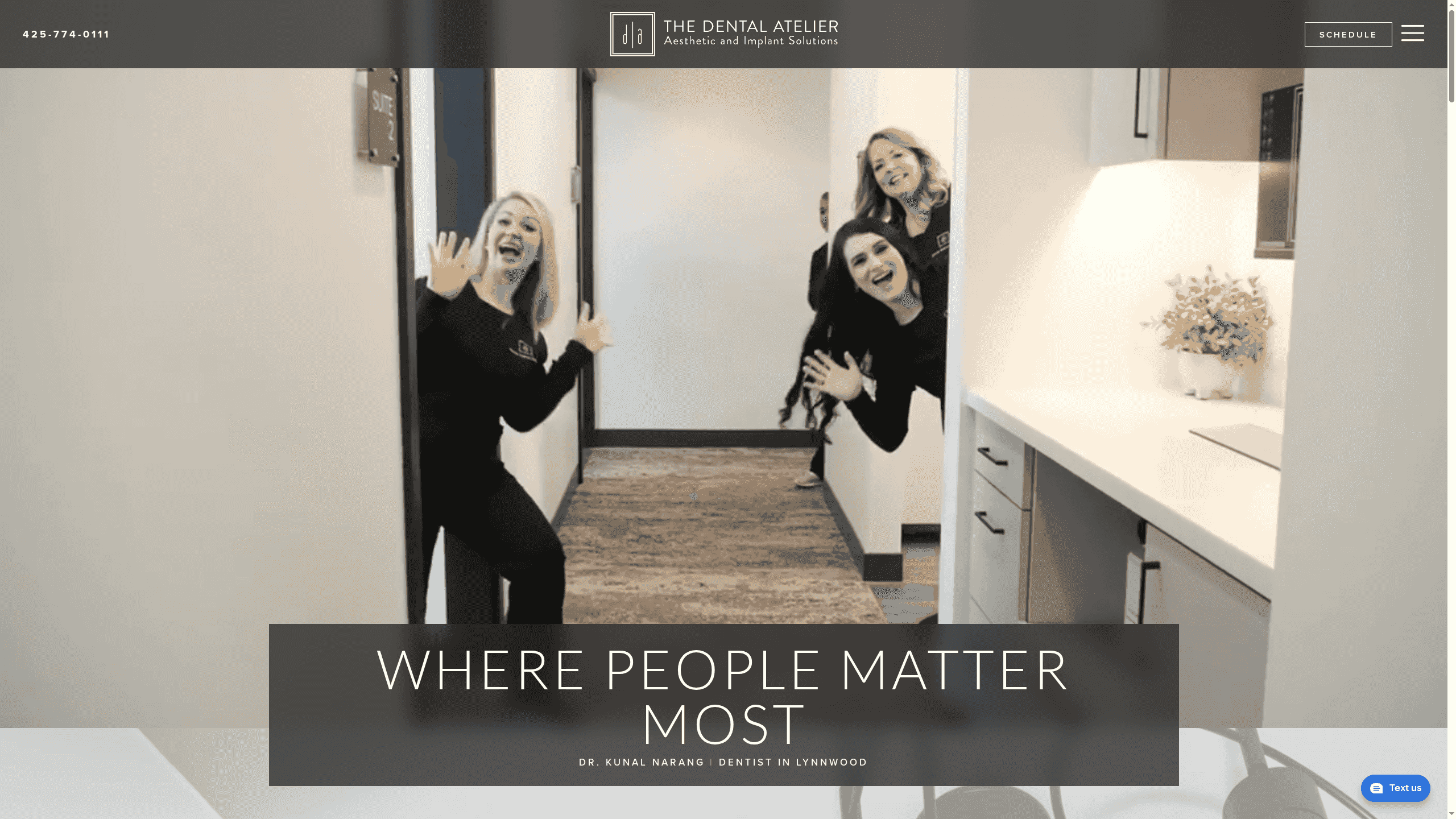
Take action now by exploring our patient-centered services focused on managing dental anxiety through gentle communication, sedation options, and gradual exposure to care. Visit DentalAteliers.com to learn about our approach and book a consultation where your concerns are the priority. Your journey to a healthier smile free from fear begins with one simple step.
Frequently Asked Questions
What is dental anxiety?
Dental anxiety is an emotional response to dental visits characterized by intense fear and apprehension related to dental treatments, often stemming from past traumatic experiences or fear of pain.
What are common triggers for dental anxiety?
Common triggers include the sounds of dental equipment, the clinical environment, anticipated pain, visibility of instruments, and feelings of embarrassment or judgment.
How can dental anxiety affect oral health?
Dental anxiety can lead to avoidance of routine dental checkups and neglected oral hygiene practices, resulting in advanced dental issues like tooth decay, gum disease, and potential tooth loss.
What strategies can help manage dental anxiety?
Strategies include open communication with dental professionals, relaxation techniques, sedation options, and utilizing comfort amenities like noise-canceling headphones and weighted blankets.

.svg)