
Every year, thousands of American adults delay dental care because of anxiety, a challenge that affects many in Lynnwood, Washington. Advances in modern dental sedation have made it easier and safer to pursue cosmetic or restorative treatments without fear. Today’s sedation techniques combine fast-acting medications and real-time technology, offering local residents peace of mind and comfort during every visit.
Table of Contents
- What Defines Modern Dental Sedation in 2025
- Comparing Sedation Types and Innovations
- How Sedation Works During Dental Procedures
- Safety Protocols and Regulatory Changes
- Costs, Insurance, and Patient Access
Key Takeaways
| Point | Details |
|---|---|
| Advanced Sedation Techniques | Modern dental sedation emphasizes rapid-acting agents and personalized treatment plans to enhance patient comfort and reduce anxiety. |
| Technological Integration | Real-time monitoring and patient assessment tools are now essential for ensuring safe and effective sedation practices. |
| Regulatory Standards | Stricter safety protocols and certification requirements have been implemented to enhance patient care in dental sedation. |
| Financial Accessibility | Evolving insurance options and flexible payment models are increasing access to sedation services for patients. |
What Defines Modern Dental Sedation in 2025
Modern dental sedation in 2025 represents a sophisticated approach to patient care, characterized by advanced pharmacological techniques and patient-centered technologies. Comprehensive sedation guidelines now emphasize safety, comfort, and personalized treatment strategies that significantly reduce patient anxiety and enhance overall treatment experiences.
Key defining elements of contemporary dental sedation include rapid-acting pharmaceutical agents with precise control mechanisms. The emergence of remimazolam, for instance, demonstrates significant advancements in sedative technology. Innovative sedation protocols now prioritize quick onset, minimal side effects, and accelerated recovery times, allowing patients more predictable and comfortable dental procedures.
Technology integration plays a crucial role in modern sedation practices. Advanced monitoring systems, real-time physiological tracking, and interdisciplinary collaboration ensure patient safety while providing customized sedation experiences. Practitioners now utilize comprehensive patient assessment tools, genetic screening, and personalized pharmacological approaches to determine the most appropriate sedation method for individual needs.
Pro tip: Before any dental sedation procedure, discuss your complete medical history, current medications, and anxiety levels with your dental professional to ensure the most appropriate and safe sedation strategy.
Comparing Sedation Types and Innovations
Dental sedation in 2025 offers a nuanced spectrum of options, each designed to address specific patient needs and procedural requirements. Comprehensive dental sedation research reveals significant advancements in pharmacological approaches, comparing traditional and emerging techniques with unprecedented precision.
The primary sedation methods now include nitrous oxide, oral sedation, and intravenous (IV) sedation, each with unique characteristics. Innovative agents like remimazolam and dexmedetomidine have revolutionized patient experiences by providing more controlled and predictable sedation outcomes. Oral sedation techniques now offer tailored approaches that minimize anxiety while maintaining patient responsiveness and safety.

Technological innovations have dramatically enhanced sedation selection processes. Advanced patient assessment tools now help practitioners determine the most appropriate sedation method by considering factors such as medical history, anxiety levels, procedure complexity, and individual physiological responses. This personalized approach ensures that patients receive the most comfortable and safest sedation experience possible, with minimal potential for adverse reactions.
Here is a comparison of primary dental sedation methods and their innovations in 2025:
| Sedation Type | Key Advantage | Notable Innovation |
|---|---|---|
| Nitrous Oxide | Rapid onset; easy recovery | Enhanced delivery masks |
| Oral Sedation | Minimizes anxiety; easy intake | Genetic-tailored dosing |
| IV Sedation | Precise control; fast effects | Use of remimazolam agent |
| Dexmedetomidine | Stable sedation; less impact | Outpatient procedure safety |
Pro tip: Discuss your complete medical profile, including current medications and previous sedation experiences, to help your dental professional select the most suitable sedation method for your specific needs.
How Sedation Works During Dental Procedures
Dental sedation functions as a sophisticated medical intervention designed to manage patient anxiety and minimize discomfort during dental treatments. Role of dental sedation involves carefully administered medications that create a state of relaxation while maintaining patient consciousness and responsiveness throughout the procedure.
The sedation process begins with a comprehensive patient assessment, where dental professionals evaluate medical history, current health status, and individual anxiety levels. Different sedation methods interact with the body’s neurological systems in unique ways. Nitrous oxide works quickly by creating a calm, euphoric state through inhalation, while oral sedatives gradually reduce anxiety by modulating neurotransmitter activity. Intravenous sedation provides the most immediate and controllable method, allowing practitioners to adjust medication levels in real-time.

Modern sedation techniques prioritize patient safety through continuous monitoring of vital signs, including heart rate, blood pressure, and oxygen saturation. Advanced technological systems enable precise medication dosing and immediate intervention if any physiological changes occur. This approach ensures that patients remain comfortable and secure throughout their dental procedure, transforming what was once a potentially stressful experience into a calm, manageable treatment.
Pro tip: Discuss your complete medical history and any previous sedation experiences with your dental professional to help them design the most appropriate and safe sedation strategy for your specific needs.
Safety Protocols and Regulatory Changes
In 2025, dental sedation safety has become a critical focus, with comprehensive regulatory updates transforming professional standards nationwide. State-level regulations now mandate stringent requirements for sedation practitioners, including advanced certification and continuous professional development to ensure patient safety and procedural excellence.
Key regulatory changes center on enhanced professional qualifications and documentation protocols. Dental professionals must now obtain Advanced Cardiac Life Support certification as a prerequisite for sedation permits, with mandatory renewal processes that include detailed training and comprehensive documentation. Dental safety trends emphasize integrating national guidelines from organizations like the American Dental Association (ADA) and American Society of Anesthesiologists (ASA), creating a unified approach to patient care and risk management.
Technological advancements have significantly impacted safety protocols, with digital documentation, real-time patient monitoring systems, and sophisticated pre-operative assessment tools becoming standard practice. Practitioners must now implement comprehensive checklists that address OSHA and HIPAA compliance, ensuring not just medical safety but also patient privacy and institutional accountability. These evolving standards reflect a proactive approach to minimizing risks and enhancing the overall quality of dental sedation procedures.
Pro tip: Request a detailed review of your dental practice’s current sedation safety protocols to ensure full compliance with the latest state and federal regulatory requirements.
Costs, Insurance, and Patient Access
Dental sedation costs in 2025 have become increasingly nuanced, with multiple financial strategies emerging to improve patient accessibility. Dental insurance alternatives now offer more flexible options for patients seeking comprehensive sedation coverage, recognizing the critical role of anxiety management in dental care.
Modern insurance plans are expanding their sedation coverage frameworks, acknowledging sedation as a medical necessity rather than an optional service. Traditional insurance models now incorporate tiered sedation coverage levels, considering factors like procedure complexity, patient medical history, and anxiety assessments. Membership programs have also evolved, providing more predictable pricing structures that bundle sedation services with routine dental care, making advanced anxiety management more financially accessible.
Patient access to sedation services continues to improve through innovative payment models and technological solutions. Practices are implementing sliding scale pricing, extended payment plans, and transparent cost breakdowns that demystify sedation expenses. Digital platforms now allow patients to pre-qualify for sedation coverage, compare pricing across providers, and understand their financial options before scheduling procedures. This approach transforms sedation from a potentially prohibitive expense to a manageable healthcare investment.
Below is a summary of evolving cost and insurance features for dental sedation in 2025:
| Aspect | 2025 Update | Patient Benefit |
|---|---|---|
| Insurance Coverage | Tiered coverage, less restriction | More sedation types covered |
| Payment Options | Sliding scales, bundles, digital | Clear and flexible pricing |
| Membership Programs | Bundled sedation with care plans | Easier access for routine visits |
| Pre-Qualification | Online screening tools | Plan finances before your visit |
Pro tip: Request a comprehensive insurance verification and explore multiple payment options before your dental sedation procedure to maximize your coverage and minimize out-of-pocket expenses.
Discover Comfort and Confidence with Modern Dental Sedation at DentalAteliers
The article highlights how modern dental sedation uses advanced techniques to ease anxiety and enhance safety during dental care. Many patients share the frustration of feeling nervous or uncomfortable before appointments despite sedation options. At DentalAteliers.com, Dr. Kunal Narang’s practice in Lynnwood, WA specializes in personalized sedation solutions that prioritize your comfort and well-being. With amenities such as TVs and noise-canceling headphones, we create a welcoming environment where you can relax fully while benefiting from the latest sedation innovations discussed in the article.
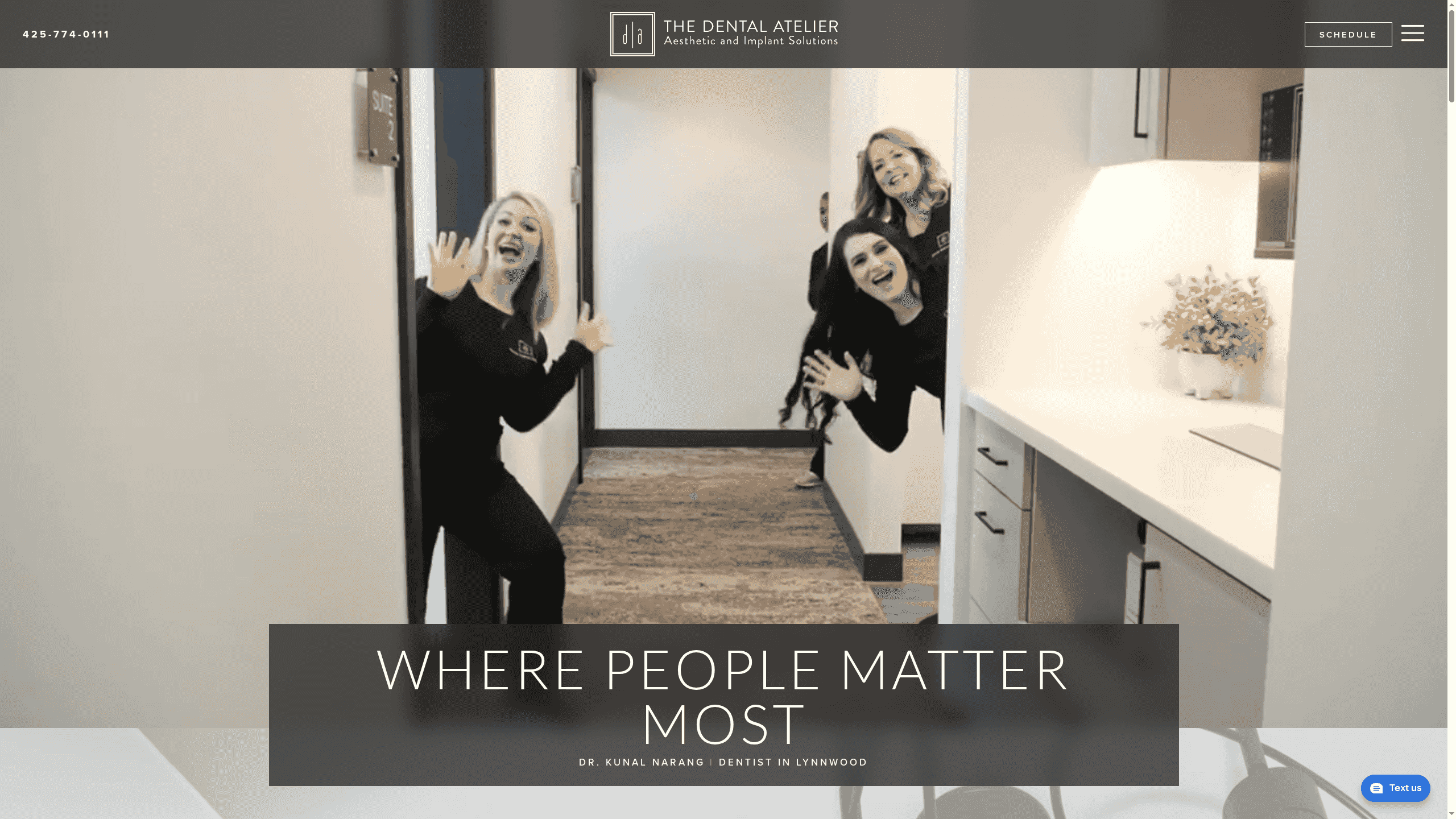
Experience sedation care tailored just for you through thorough assessments and advanced protocols that align with 2025 sedation trends. Take control of your dental visits without fear by exploring our comprehensive services. Ready to ease your dental anxiety and receive gentle, expert care? Visit DentalAteliers.com to learn more and schedule a consultation. Your path to stress-free dental treatment starts here.
Frequently Asked Questions
What are the main types of dental sedation available in 2025?
The primary types of dental sedation include nitrous oxide, oral sedation, and intravenous (IV) sedation. Each method has unique advantages, such as rapid onset with nitrous oxide and precise control with IV sedation.
How does modern dental sedation ensure patient safety during procedures?
Modern dental sedation prioritizes patient safety through continuous monitoring of vital signs, advanced technology for real-time tracking, and comprehensive pre-operative assessments to tailor the sedation approach to individual needs.
What factors influence the choice of sedation method for a dental procedure?
Factors that influence the choice of sedation include the complexity of the dental procedure, the patient’s medical history, anxiety levels, and physiological responses, allowing for a personalized sedation experience.
How has insurance coverage for dental sedation changed in 2025?
Insurance coverage for dental sedation has evolved to include tiered coverage models that recognize sedation as a medical necessity, making it more accessible and financially manageable for patients seeking anxiety management during dental care.

.svg)