
Most American adults underestimate what happens during a professional dental cleaning, thinking it is just a quick brush and polish. In reality, these appointments deliver results that daily brushing and flossing cannot match. More than half of Americans skip recommended cleanings each year and miss out on expert removal of hardened buildup that home care leaves behind. This guide breaks down the dental cleaning process and untangles common myths, offering clear answers for anyone seeking real oral health benefits.
Table of Contents
- What Dental Cleanings Involve and Common Myths
- Types of Dental Cleanings and Their Differences
- Step-by-Step Process During a Cleaning Visit
- Benefits of Regular Professional Dental Cleanings
- Risks, Discomforts, and Dental Cleaning Costs
Key Takeaways
| Point | Details |
|---|---|
| Comprehensive Cleanings | Dental cleanings go beyond brushing and flossing, effectively removing tartar and plaque to prevent serious dental issues. |
| Types of Cleanings | Different cleaning types, such as prophylaxis and scaling and root planing, address specific oral health needs. |
| Preventative Health Benefits | Regular cleanings not only enhance oral hygiene but also contribute to reducing the risk of systemic health problems. |
| Cost Awareness | Understanding the costs and potential discomforts of dental cleanings is essential for informed patient decisions. |
What Dental Cleanings Involve and Common Myths
Dental cleanings are far more than just a quick polish. These professional procedures involve comprehensive oral health maintenance that goes well beyond what typical home care can accomplish. While many people believe brushing and flossing are sufficient, professional dental cleanings remove hardened plaque and tartar that home techniques simply cannot eliminate.
The cleaning process typically involves several key steps. First, a dental hygienist will conduct a thorough visual examination of your mouth, checking for signs of potential issues like cavities or gum inflammation. Next, specialized tools are used to gently remove built-up tartar and plaque from tooth surfaces and along the gumline. This scaling process helps prevent potential dental problems before they become serious. Afterward, teeth are professionally polished to create a smooth surface that makes future plaque accumulation more difficult.
Despite common misconceptions, modern dental techniques are designed to be gentle and comfortable. Many patients worry that dental cleanings will damage their tooth enamel or cause significant pain. However, professional hygienists are trained to use precise, minimally invasive techniques that protect your dental health. The truth is that routine cleanings actually prevent more invasive and potentially painful procedures by catching potential issues early.
- Dental cleanings remove tartar home brushing cannot eliminate
- Professional techniques are gentle and protective
- Regular cleanings help prevent more serious dental interventions
Addressing myths head-on helps patients understand the true value of professional dental maintenance. While home care remains crucial, these expert cleanings provide a level of thorough examination and treatment that simply cannot be replicated with personal oral hygiene routines.
Types of Dental Cleanings and Their Differences
Dental cleanings are not a one-size-fits-all procedure. Different types of cleanings address specific oral health needs, ranging from routine maintenance to more intensive treatments. Scaling and root planing represents a specialized deep cleaning technique designed to address more advanced periodontal concerns beyond standard preventative care.
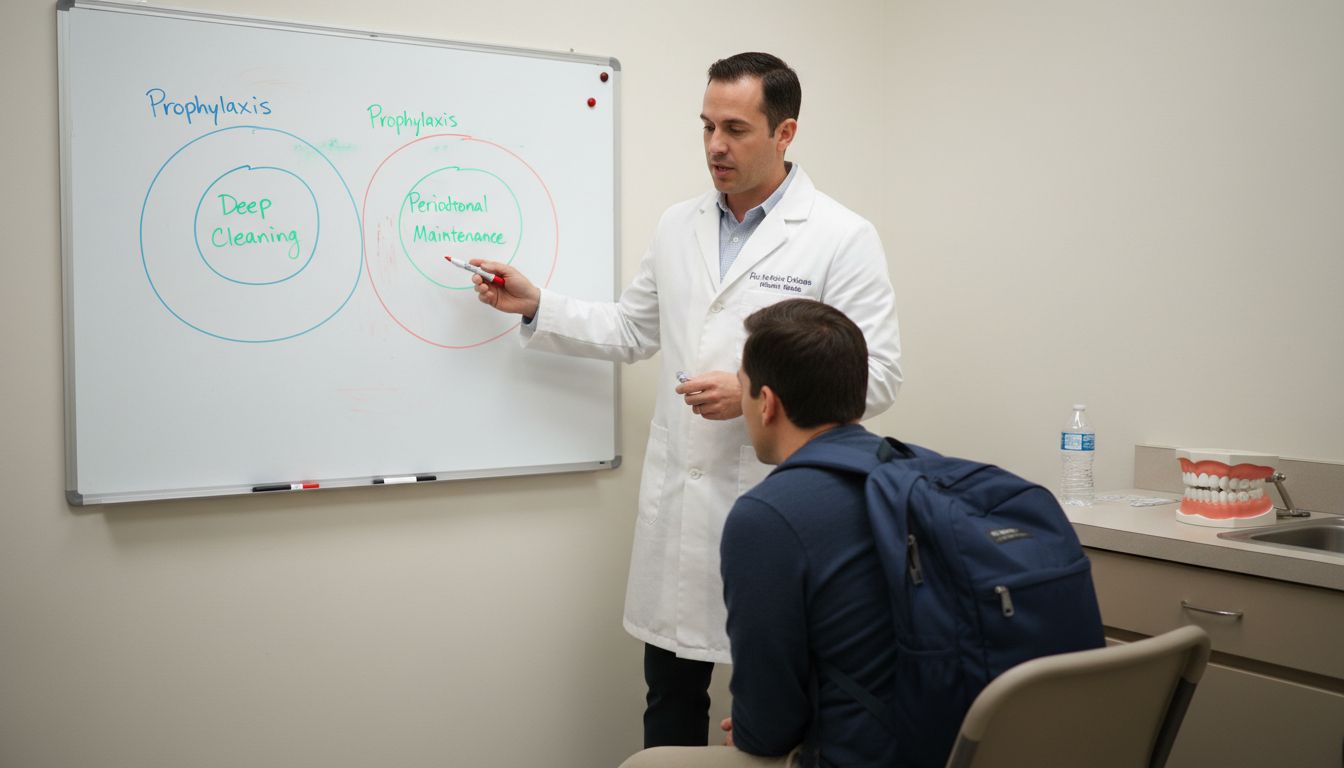
The primary categories of dental cleanings include prophylaxis cleaning, scaling and root planing, and gross debridement. Prophylaxis cleaning is the standard six-month checkup procedure most patients receive, focusing on removing surface-level plaque and tartar from teeth that are otherwise healthy. Scaling and root planing procedures target more serious periodontal issues, involving deep cleaning below the gumline to remove bacteria and smooth root surfaces to prevent future infection.
Gross debridement is typically recommended for patients with extensive tartar buildup who haven’t received professional cleaning in an extended period. This more intensive cleaning process involves removing thick layers of calculus and plaque that have accumulated significantly. Patients with signs of gum disease or those who have neglected regular dental maintenance often require this more comprehensive approach.
- Prophylaxis Cleaning: Standard six-month routine cleaning
- Scaling and Root Planing: Deep cleaning for periodontal issues
- Gross Debridement: Intensive cleaning for extensive tartar buildup
Understanding these different cleaning types helps patients recognize the importance of regular dental visits and personalized oral health care. Each cleaning approach is designed to address specific dental conditions, ensuring that patients receive targeted treatment matched to their unique oral health needs.
Step-by-Step Process During a Cleaning Visit
Professional teeth cleaning involves a systematic approach designed to thoroughly examine and maintain oral health. The process begins with a comprehensive initial assessment, where a dental hygienist carefully evaluates your overall oral condition, looking for signs of potential issues like cavities, gum inflammation, or early stages of periodontal disease.
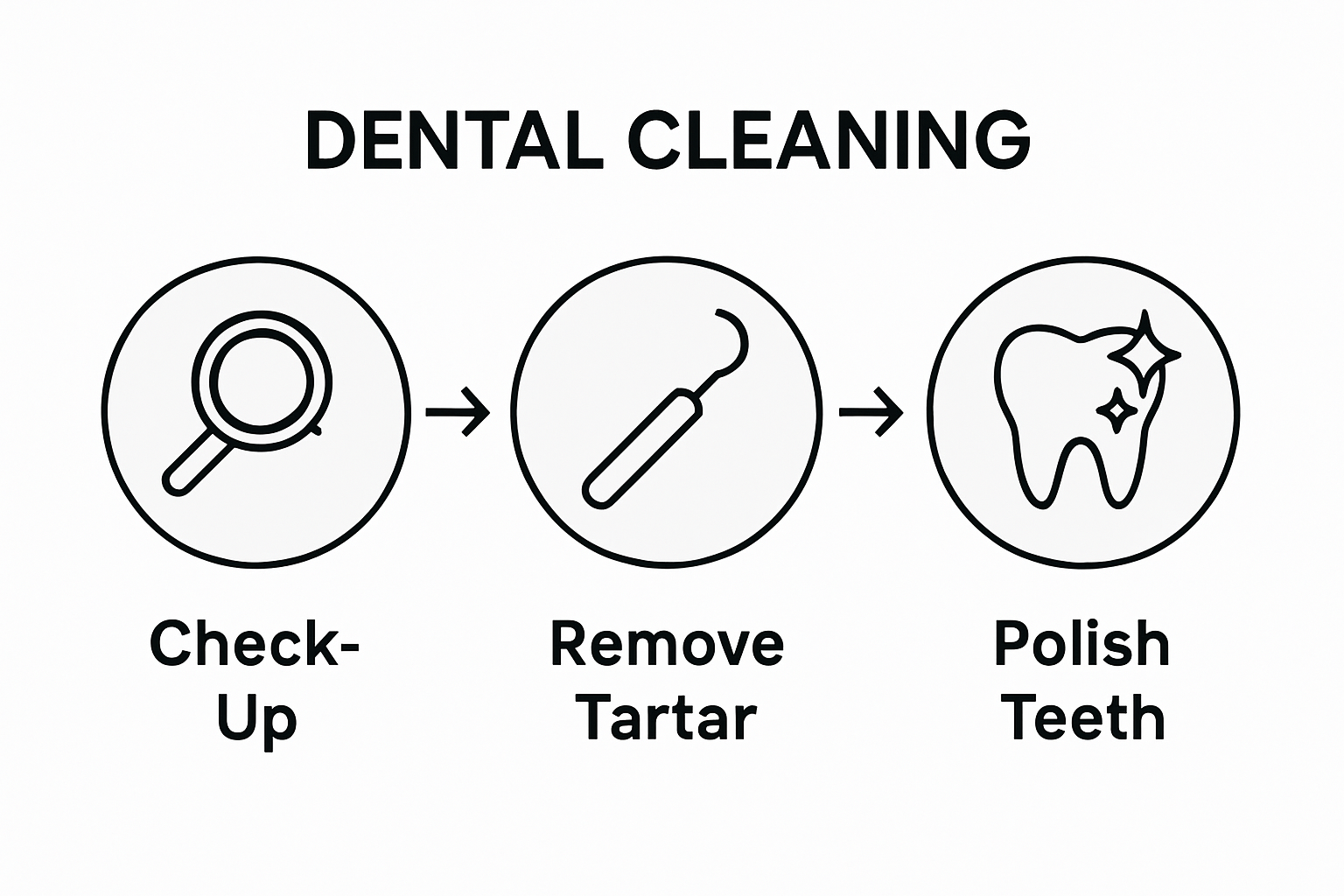
The actual cleaning process typically follows a precise sequence. Dental hygienists use specialized instruments to remove plaque and tartar through a technique called scaling. This involves carefully scraping away hardened deposits from tooth surfaces and along the gumline using both manual and ultrasonic tools. The ultrasonic scaler uses high-frequency vibrations to break up stubborn tartar, while hand tools help remove more delicate buildup in hard-to-reach areas.
After scaling, the cleaning process moves to polishing, where a special gritty toothpaste-like substance is applied using a rotating brush. This step smooths the tooth surfaces, removing any remaining surface stains and creating a clean, glossy finish that makes it harder for plaque to accumulate. The final stage typically involves a professional fluoride treatment, which helps strengthen tooth enamel and provides additional protection against cavities.
Key steps in a professional dental cleaning:
- Initial oral health assessment
- Scaling to remove plaque and tartar
- Ultrasonic and hand tool cleaning
- Professional polishing
- Fluoride treatment
Patients can expect the entire process to take between 30 to 60 minutes, depending on their individual oral health condition. Each step is carefully designed to not just clean, but to provide a comprehensive evaluation of your dental health, catching potential issues before they become more serious problems.
Benefits of Regular Professional Dental Cleanings
Regular professional dental cleanings are far more than a simple cosmetic procedure. They represent a critical component of comprehensive preventative healthcare, offering numerous benefits that extend well beyond just maintaining a bright smile. These cleanings help prevent serious dental issues, reduce the risk of systemic health problems, and provide early detection of potential oral health concerns.
Professional cleanings offer multiple key advantages that home care cannot replicate. Tartar removal is perhaps the most significant benefit, as dental professionals can eliminate hardened plaque buildup that regular brushing and flossing cannot address. This process prevents tooth decay, reduces the risk of gum disease, and helps prevent more expensive and invasive dental treatments in the future. Additionally, these cleanings include a thorough oral examination that can detect early signs of problems like cavities, oral cancer, and other potential health issues before they become serious.
Beyond dental health, regular cleanings have broader implications for overall wellness. The removal of bacteria and plaque during professional cleanings can help reduce inflammation and potentially lower the risk of systemic health problems such as heart disease, diabetes complications, and respiratory infections. Professional dental cleaning costs become a small investment compared to the potential long-term health benefits, making them an essential part of preventative healthcare.
Key benefits of professional dental cleanings:
- Comprehensive tartar and plaque removal
- Early detection of potential oral health issues
- Reduced risk of systemic health problems
- Prevention of advanced dental treatments
- Improved overall oral hygiene
Regular dental cleanings are not just about maintaining a beautiful smile. They are a critical preventative measure that supports both oral and overall health, providing patients with a proactive approach to their personal wellness and potentially saving significant healthcare costs in the long run.
Risks, Discomforts, and Dental Cleaning Costs
While dental cleanings are generally safe and routine, patients should understand potential risks, mild discomforts, and associated costs. Transparent dental pricing helps patients make informed decisions about their oral healthcare investments, ensuring no unexpected financial surprises.
Most dental cleaning discomforts are minimal and temporary. Tooth sensitivity can occur during and after cleaning, especially for patients with existing gum recession or enamel wear. Some individuals might experience slight gum bleeding or minor soreness, which typically resolves within 24 to 48 hours. Patients with heightened dental anxiety can explore sedation options to manage potential discomfort and ensure a more relaxed cleaning experience.
Dental cleaning costs vary widely depending on several factors. Basic prophylaxis cleanings for patients with good oral health typically range from $75 to $200. More intensive procedures like deep cleaning or scaling and root planing can cost between $200 and $450 per quadrant. Patients without dental insurance might face higher out-of-pocket expenses, making it crucial to discuss pricing and potential payment plans with their dental provider.
Potential risks and considerations:
- Temporary tooth sensitivity
- Mild gum bleeding
- Short-term dental discomfort
- Varying procedure costs
- Insurance coverage variations
Ultimately, the minimal risks and potential discomforts associated with dental cleanings are far outweighed by the significant long-term benefits of maintaining excellent oral health. Proactive patients who prioritize regular dental care can prevent more expensive and invasive treatments in the future.
Ensure Your Smile Stays Healthy with Expert Dental Cleanings
Maintaining a truly healthy smile goes beyond daily brushing and flossing. The article highlights the challenge of removing hardened plaque and tartar that home care simply cannot address. With different cleaning types like prophylaxis and scaling and root planing, personalized professional care is essential to prevent gum disease and costly dental procedures. If you want gentle, thorough dental cleanings performed by experienced professionals who prioritize your comfort and oral health, our practice is here to help.

At DentalAteliers.com, Dr. Kunal Narang and his team provide comprehensive dental cleanings customized to your unique needs in a warm and welcoming environment. Enjoy amenities designed for your comfort while we help protect your smile with state-of-the-art techniques. Don’t wait until discomfort or costly treatments arise. Schedule your cleaning today and experience how regular professional care keeps your teeth strong, your gums healthy, and your whole body feeling better. Visit our website now to book your appointment and take the first step toward lasting dental wellness.
Frequently Asked Questions
What is the purpose of a dental cleaning?
Dental cleanings remove plaque and tartar build-up that regular brushing cannot eliminate, helping to prevent cavities and gum disease.
How often should I get a dental cleaning?
Most dental professionals recommend a routine cleaning every six months, although individuals with specific oral health issues may require more frequent visits.
What happens during a dental cleaning?
The process includes a visual examination, scaling to remove plaque and tartar, polishing the teeth, and a fluoride treatment to strengthen enamel.
Are dental cleanings painful?
Modern dental techniques are designed to be gentle and comfortable. While some patients may experience mild sensitivity, the overall process is typically not painful.
Recommended
- 7 Essential Dental Care Tips 2025 for Healthy Smiles | The Dental Atelier
- Preventive Dental Care for Adults | Dental Atelier
- Professional Teeth Cleaning: Process & Key Benefits | The Dental Atelier
- 7 Common Dental Procedures Everyone Should Know About | The Dental Atelier
- Pulizia denti dal dentista: come ottenere denti sani e sicuri - dentalnetcare.it

.svg)