
Feeling nervous or anxious before a dental appointment can make it hard to get the care you need. For many people, even routine procedures seem daunting when anxiety takes over. The right sedation option can transform your dental experience by making visits calmer, more comfortable, and pain-free.
This guide lays out practical methods for easing dental anxiety and helping you choose the safest, most effective approach for your needs. You will find clear explanations of each sedation type, their benefits, and valuable tips on making your next appointment stress-free. Get ready to discover techniques trusted by dental professionals to change the way you feel about dental care.
Table of Contents
- Nitrous Oxide Sedation For Quick Relaxation
- Oral Sedation For Mild To Moderate Anxiety
- IV Sedation For Deeper Calm And Comfort
- General Anesthesia For Full Sleep Dentistry
- Local Anesthesia For Pain-Free Procedures
- Who Benefits Most From Sedation Dentistry?
- How To Choose The Right Sedation Method
Quick Summary
| Key Insight | Explanation |
|---|---|
| 1. Nitrous oxide sedation provides fast anxiety relief | This method works quickly, creating a calming effect while keeping patients conscious and responsive during dental procedures. |
| 2. Oral sedation is suitable for mild to moderate anxiety | It allows for significant relaxation through medication taken prior to the appointment, with minimal recovery time needed. |
| 3. IV sedation offers advanced control for deeper relaxation | This method provides rapid onset and precise control, ideal for complex procedures, while patients remain responsive. |
| 4. General anesthesia ensures complete unconsciousness | Best suited for extensive treatments, it eliminates all awareness and discomfort during dental procedures, requiring professional supervision. |
| 5. Choose sedation based on individual needs | Factors like anxiety levels and health status guide the selection of appropriate sedation methods for optimal safety and comfort. |
1. Nitrous Oxide Sedation for Quick Relaxation
Nitrous oxide sedation offers dental patients a fast and effective solution for managing anxiety during procedures. This gentle sedation method provides rapid relaxation without requiring extensive preparation or recovery time.
Also known as laughing gas nitrous oxide is a colorless and odorless gas that creates a calm and comfortable state for patients. The sedation works quickly by helping patients feel detached from their anxiety while remaining fully conscious and able to respond to dental instructions.
Key benefits of nitrous oxide sedation include:
- Immediate anxiety reduction
- Minimal side effects
- Quick onset and offset of sedative effects
- Safe for both children and adults
- Allows patients to remain responsive during treatment
The mechanism of nitrous oxide is fascinating. When inhaled through a comfortable nasal mask, the gas rapidly enters the bloodstream and creates a sense of euphoria and relaxation. Patients typically experience a floating sensation and reduced sensitivity to potential discomfort.
Dental professionals prefer nitrous oxide because it offers precise control over sedation levels and allows for immediate reversal at the end of the procedure. The gas is administered in carefully measured concentrations to ensure patient safety and comfort.
Pro tip: Ask your dentist about nitrous oxide sedation during your initial consultation to determine if it matches your specific anxiety management needs.
2. Oral Sedation for Mild to Moderate Anxiety
Oral sedation represents a strategic approach for managing dental anxiety in patients experiencing mild to moderate nervousness. By using prescription medications taken before a dental procedure patients can feel significantly more relaxed and comfortable.
Medication Characteristics
Typically oral sedatives belong to the benzodiazepine family and work by calming the central nervous system. Oral sedation protocols are carefully designed to provide predictable and controlled relaxation without rendering patients completely unconscious.
Key advantages of oral sedation include:
- Ease of administration
- No needles or invasive techniques
- Gradual onset of relaxation
- Customizable dosage based on patient needs
- Minimal recovery time
Oral sedation allows patients to remain responsive while feeling deeply relaxed during dental procedures.
Patients typically take medication approximately one hour before their scheduled appointment. The sedative helps reduce anxiety by promoting a sense of calmness and reducing the perception of potential discomfort. Careful medical screening is essential to determine appropriate medication and dosage.
Pro tip: Discuss your complete medical history and current medications with your dentist to ensure the safest and most effective oral sedation approach.
3. IV Sedation for Deeper Calm and Comfort
IV sedation offers patients the most advanced method of dental anxiety management providing profound relaxation during complex or lengthy procedures. Unlike other sedation techniques intravenous sedation delivers medication directly into the bloodstream for rapid and precise control.
How IV Sedation Works
IV sedation techniques involve administering sedative medications through a small needle inserted into a vein. This method allows healthcare providers to adjust medication levels in real time ensuring optimal patient comfort and safety.
Key advantages of IV sedation include:
- Deeper level of relaxation
- Faster onset of sedative effects
- Precise medication control
- Minimal memory of dental procedure
- Suitable for patients with severe anxiety
IV sedation creates a state of deep relaxation while maintaining patient responsiveness and protective reflexes.
During the procedure a trained anesthesia professional continuously monitors vital signs heart rate oxygen levels and overall patient condition. Patients typically feel drowsy and relaxed but remain able to respond to verbal instructions.
Pro tip: Discuss your complete medical history and specific anxiety concerns with your dentist to determine if IV sedation is the most appropriate option for your dental treatment.
4. General Anesthesia for Full Sleep Dentistry
General anesthesia represents the most comprehensive sedation method for dental patients requiring complete unconsciousness during complex or extensive procedures. This advanced technique provides total pain management and anxiety elimination by rendering patients fully asleep throughout treatment.
Comprehensive Patient Care
Dental anesthesia protocols involve a carefully controlled process of inducing and maintaining complete unconsciousness under professional medical supervision. Unlike other sedation methods general anesthesia ensures patients experience zero awareness during dental interventions.
Critical characteristics of general anesthesia include:
- Total loss of consciousness
- Complete pain elimination
- Muscle relaxation
- Continuous vital sign monitoring
- Ideal for patients with extreme anxiety
- Recommended for extensive dental reconstructions
General anesthesia transforms potentially traumatic dental experiences into comfortable medical procedures.
Training and expertise are crucial for administering general anesthesia. Only specialized anesthesiologists and dentists with advanced certification can safely implement this sedation method which requires comprehensive preoperative assessment and dedicated emergency preparedness.
Pro tip: Consult with your dental professional about your medical history and specific anxiety levels to determine whether general anesthesia is an appropriate option for your treatment.
5. Local Anesthesia for Pain-Free Procedures
Local anesthesia provides targeted pain relief that transforms dental procedures from potentially uncomfortable experiences into smooth and manageable treatments. By numbing specific areas of the mouth local anesthesia allows patients to remain fully conscious while experiencing zero pain during dental work.
How Local Anesthesia Functions
Nerve conduction blocking occurs when anesthetic agents temporarily interrupt pain signals at the nerve level. The anesthetic prevents sodium channels from transmitting sensory information which effectively eliminates discomfort in the targeted region.
Key benefits of local anesthesia include:
- Precise pain elimination
- Minimal systemic effects
- Quick administration
- Rapid recovery time
- Patient remains fully aware
- Suitable for most dental procedures
Local anesthesia transforms potentially painful dental treatments into comfortable experiences.
The procedure involves carefully targeted injections that numb specific mouth regions. Dentists use topical numbing agents before injection to minimize initial discomfort ensuring a smooth and virtually painless experience.
Pro tip: Inform your dentist about any previous reactions to local anesthetics and discuss potential alternatives to ensure the safest and most comfortable treatment approach.
6. Who Benefits Most from Sedation Dentistry?
Sedation dentistry offers a lifeline for patients who experience significant anxiety or challenges during dental treatments. By providing tailored relaxation techniques sedation transforms potentially stressful medical experiences into comfortable and manageable procedures.
Patient Categories for Sedation
Dental sedation candidates span diverse groups with unique healthcare needs. Understanding who benefits most can help patients and practitioners choose appropriate sedation strategies.
Primary groups who benefit from sedation dentistry include:
- Patients with severe dental anxiety
- Individuals with special healthcare needs
- Children with behavioral challenges
- People requiring complex or lengthy procedures
- Patients with high gag reflex sensitivity
- Individuals with cognitive or developmental disabilities
- Those with previous traumatic dental experiences
Sedation dentistry creates a safe pathway for patients who might otherwise avoid essential dental care.
Each sedation method is carefully selected based on the patient’s specific medical history psychological profile and procedural requirements. The goal is always to create a comfortable and stress free dental experience that promotes long term oral health.
Pro tip: Discuss your complete medical history and specific anxiety levels with your dental professional to determine the most appropriate sedation approach for your individual needs.
7. How to Choose the Right Sedation Method
Selecting the most appropriate dental sedation method requires careful consideration of multiple factors that impact patient safety and treatment effectiveness. Understanding your unique medical profile and procedural needs will help guide this important decision.
Sedation Selection Criteria
Sedation method considerations involve a comprehensive evaluation of individual patient characteristics and procedural requirements.
Key factors influencing sedation selection include:
- Anxiety level and psychological comfort
- Medical history and current health status
- Procedure complexity and duration
- Potential medication interactions
- Patient age and physical condition
- Previous sedation experiences
- Specific dental treatment requirements
The right sedation method transforms dental anxiety into a comfortable healthcare experience.
Matching Sedation to Individual Needs
Minimal sedation techniques work best for patients with mild anxiety and shorter procedures while more intensive methods like IV sedation or general anesthesia suit complex treatments or patients with significant medical challenges.
Pro tip: Conduct a thorough consultation with your dental professional discussing your complete medical history and specific anxiety levels to determine the most personalized sedation approach.
Below is a comprehensive table summarizing the various dental sedation methods, their characteristics, and situations they are best suited for, as discussed in the article.
| Sedation Method | Characteristics | Best For |
|---|---|---|
| Nitrous Oxide Sedation | Fast-acting, patients remain conscious and responsive, suitable for children and adults, minimal side effects. | Quick and mild anxiety management during dental procedures. |
| Oral Sedation | Uses prescription medications, enhances relaxation without complete unconsciousness, requires prior administration. | Managing mild to moderate anxiety in less invasive dental treatments. |
| IV Sedation | Administered intravenously, provides deeper relaxation, rapid action, adjustable in real-time. | Patients with severe anxiety or undergoing complex dental surgeries. |
| General Anesthesia | Induces full unconsciousness, eliminates pain and awareness, supervised by trained anesthesiologists. | Extensive or highly invasive dental treatments requiring full sedation. |
| Local Anesthesia | Numbs specific areas to alleviate pain, quickly administered, patient remains fully aware. | Routine dental procedures requiring targeted pain relief, like fillings or minor surgeries. |
| Sedation Dentistry Candidates | Includes patients with severe anxiety, complex dental needs, or previous traumatic experiences. | Tailored sedation options ensure comfort and stress-free dental experiences. |
This table provides an overview of the sedation techniques available, helping individuals understand their options and make informed choices for their dental care.
Experience Anxiety-Free Dental Care with Expert Comfort Solutions
Struggling with dental anxiety can make even routine visits feel overwhelming. This article highlights the importance of personalized sedation techniques like nitrous oxide, oral sedation, and IV sedation to create calm and comfortable experiences. At DentalAteliers.com, we understand these challenges and offer tailored sedation options alongside a warm, welcoming atmosphere designed to ease your fears. Our amenities include TVs and noise-canceling headphones to boost your comfort while expert care from Dr. Kunal Narang ensures your safety and peace of mind.
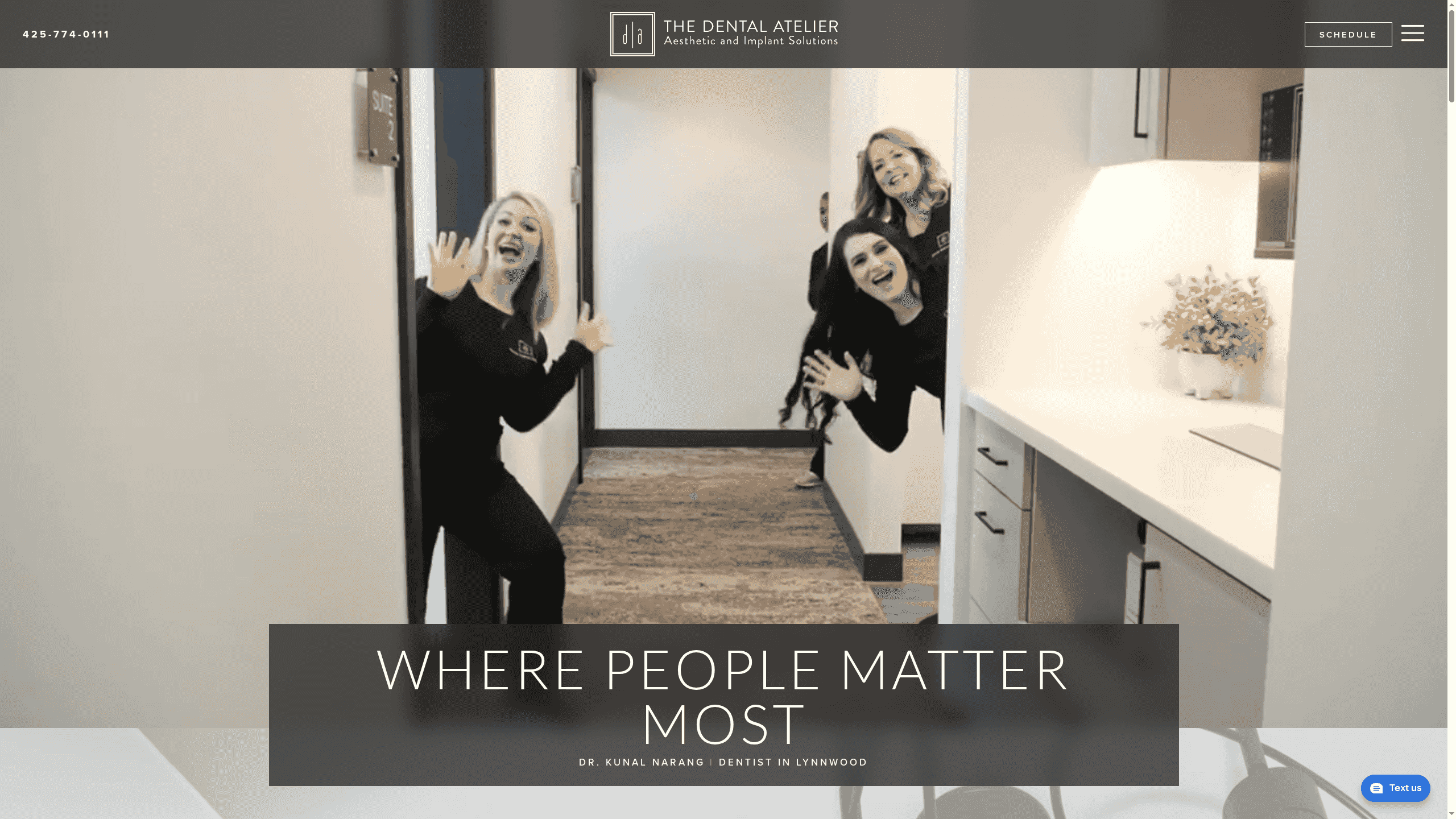
Take control of your dental anxiety today by exploring our comprehensive sedation services and advanced treatments like implant dentistry and Invisalign. Visit DentalAteliers.com to learn how we make anxiety-free dental visits possible. Schedule your consultation now and start your journey toward a relaxing, pain-free dental experience with trusted professionals.
Frequently Asked Questions
What are the different types of dental sedation methods?
There are seven primary types of dental sedation methods: Nitrous Oxide Sedation, Oral Sedation, IV Sedation, General Anesthesia, and Local Anesthesia. Each method caters to different levels of anxiety and procedural needs. Discuss your specific situation with your dentist to determine the best sedation type for your visit.
How do I know if I am a candidate for sedation dentistry?
You may be a candidate for sedation dentistry if you experience significant dental anxiety, have a high gag reflex, or require complex procedures. Schedule a consultation with your dentist to discuss your medical history and specific anxiety levels, which will help determine your eligibility for sedation.
How does oral sedation work for managing anxiety?
Oral sedation involves taking prescription medications about one hour before your dental appointment to help you feel relaxed. To explore this option, inform your dentist about any current medications or health conditions to ensure safe administration of the sedative.
What should I expect during a procedure with IV sedation?
During a procedure with IV sedation, sedative medication is administered directly into your bloodstream for fast-acting relaxation. Expect to feel drowsy but still responsive throughout the treatment. Discuss with your dentist any concerns about the process to ensure your comfort.
Can I drive myself home after sedation?
It is recommended that you do not drive yourself home after any sedation dentistry, particularly with IV sedation or General Anesthesia, as you may feel drowsy or disoriented. Arrange for a friend or family member to accompany you and ensure a safe return home after your visit.
How long does it take to recover from dental sedation?
Recovery time from dental sedation varies by method; for example, Local Anesthesia usually wears off quickly, allowing for immediate resumption of normal activities. For methods like IV Sedation or General Anesthesia, plan for several hours of recovery time. Follow up with your dentist to discuss what to expect based on your specific sedation method.
Recommended
- 7 Sedation Options for Anxious Patients Explained | The Dental Atelier
- Oral Sedation Explained: How It Eases Dental Anxiety | The Dental Atelier
- Sedation Dentistry Explained: Comfort, Types, and Costs | The Dental Atelier
- How to Request Sedation Dentistry for a Stress-Free Visit | The Dental Atelier

.svg)