
Nearly one-third of American adults report feeling anxious about visiting the dentist. For Lynnwood residents, dental anxiety can make it easy to postpone routine exams, yet these simple appointments are proven to detect problems early and protect long-term health. Compassionate care combined with regular screenings supports both comfort and confidence throughout every stage of your oral wellness journey.
Table of Contents
- Understanding Dental Exams And Their Purpose
- Common Types Of Dental Exams Explained
- How Routine Exams Prevent Oral Diseases
- Early Detection: Benefits For Long-Term Health
- Overcoming Dental Anxiety In Your Visit
Key Takeaways
| Point | Details |
|---|---|
| Importance of Dental Exams | Dental exams are vital for early detection of oral health issues and preventing severe conditions. Regular check-ups help maintain overall health by identifying systemic issues too. |
| Types of Dental Exams | Various types of exams, like comprehensive and periodontal assessments, serve specific diagnostic needs to monitor and maintain oral health. Knowing the type of exam can help patients prepare adequately. |
| Routine Exam Benefits | Consistent dental visits, ideally every six months, enhance disease prevention and catch issues before they escalate into serious problems. These exams provide thorough cleaning and essential health screenings. |
| Managing Dental Anxiety | Many patients experience dental anxiety, which can be managed through open communication and comfort strategies. Scheduling consultation-only visits can help ease fears before undergoing procedures. |
Understanding Dental Exams and Their Purpose
Dental exams represent a comprehensive health assessment focused on evaluating and maintaining optimal oral wellness. These evaluations go far beyond simply checking for cavities, serving as critical diagnostic tools that help protect public health and safety by confirming clinical competency.
At their core, dental exams involve a systematic review of your entire oral ecosystem. Dental professionals conduct thorough inspections of teeth, gums, soft tissues, and supporting bone structures to detect potential issues early. Professional dental organizations establish rigorous standards to ensure safety, reliability, and efficacy during these comprehensive assessments, which typically include visual examinations, detailed x-rays, and professional cleaning procedures.
These examinations aim to identify potential problems before they escalate into more serious conditions. Dentists look for signs of tooth decay, gum disease, oral cancer, and other systemic health indicators that might manifest through oral symptoms. By catching these issues early, patients can receive targeted interventions that prevent more extensive and expensive treatments down the line.
Pro Tip: Schedule your dental exam consistently every six months to maintain proactive oral health monitoring and catch potential issues in their earliest stages.
Common Types of Dental Exams Explained
Dental professionals utilize several specialized examination types to comprehensively assess oral health, each designed to address specific diagnostic needs. Dental exams can include curriculum integrated and traditional formats covering multiple clinical skill areas, ranging from routine checkups to advanced diagnostic assessments.
The primary types of dental exams include comprehensive initial examinations, periodic recall exams, limited problem-focused evaluations, and comprehensive periodontal assessments. Initial comprehensive exams typically involve a complete review of a patient’s medical history, full mouth x-rays, thorough teeth and gum evaluation, oral cancer screening, and detailed documentation of existing dental conditions. Periodic recall exams, usually performed every six months, focus on monitoring ongoing oral health and detecting any changes since the previous examination.
More specialized dental exams target specific concerns or conditions. Periodontal assessments measure gum health and bone structure, checking for signs of inflammation, recession, and potential disease. Diagnostic exams might include advanced imaging techniques like cone beam computed tomography (CBCT) scans, which provide three-dimensional views of oral structures, enabling dentists to diagnose complex conditions with remarkable precision.
Pro Tip: Request a detailed explanation of your specific exam type from your dentist to understand exactly what diagnostic procedures will be performed during your appointment.
Here’s a summary comparing common types of dental exams and their unique focuses:
| Exam Type | Primary Purpose | Typical Procedures | Ideal Frequency |
|---|---|---|---|
| Comprehensive Initial | Full oral health assessment | X-rays, oral cancer screening | First visit |
| Periodic Recall | Monitor changes & maintenance | Teeth & gum evaluation | Every 6 months |
| Problem-Focused/ Limited | Address specific concerns | Targeted visual checks | As needed |
| Periodontal Assessment | Measure gum & bone health | Gum probing, imaging | Annually or if at risk |
How Routine Exams Prevent Oral Diseases
Routine dental exams play a critical role in preventing oral diseases by providing comprehensive early detection and intervention strategies. These preventative check-ups are more than simple surface-level inspections; they represent a sophisticated approach to maintaining long-term oral health through systematic monitoring and professional intervention.
During routine exams, dentists perform multiple disease prevention techniques. They meticulously remove plaque and tartar buildup, which are primary contributors to tooth decay and gum inflammation. Professional cleaning reaches areas that typical home brushing and flossing cannot, reducing the risk of developing serious conditions like gingivitis and periodontitis. Regular dental check-ups help identify potential oral health issues before they become complex medical problems, enabling timely and less invasive treatments.
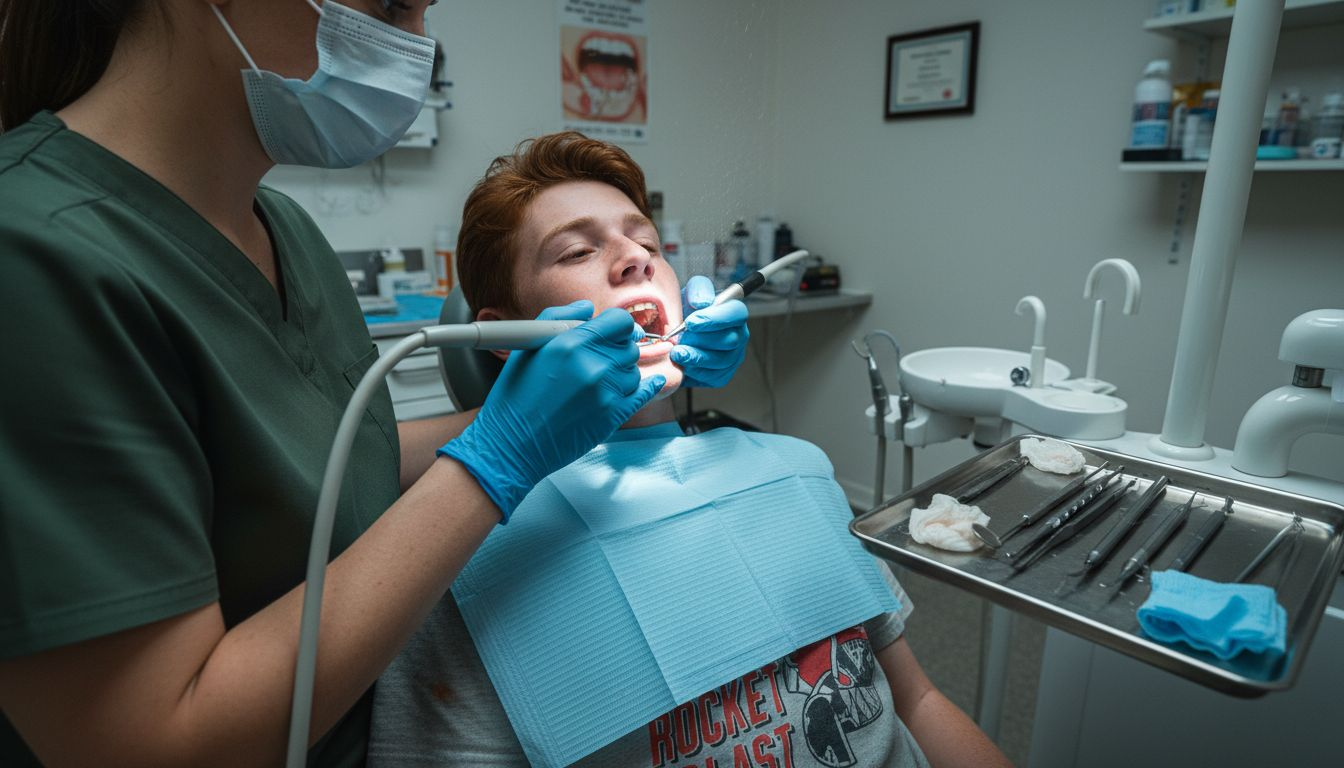
Moreover, routine exams serve as a critical diagnostic tool for detecting systemic health concerns. Dentists can identify early warning signs of diabetes, heart disease, and other significant medical conditions through careful examination of oral tissues, blood vessels, and overall oral health indicators. These comprehensive assessments go beyond traditional tooth and gum evaluations, transforming dental check-ups into holistic health screenings that can potentially prevent more serious medical complications.
Pro Tip: Schedule your dental exams consistently every six months and maintain a detailed record of your oral health history to help your dentist provide the most personalized care possible.
The following table highlights key benefits of routine dental exams for long-term health:
| Benefit | Description | Related Health Impact |
|---|---|---|
| Early disease detection | Identifies problems promptly | Prevents complications |
| Professional cleaning | Removes plaque/tartar thoroughly | Lowers risk of gum disease |
| Systemic health check | Monitors for warning signs | Detects diabetes, heart issues |
| Oral cancer screening | Finds abnormal tissue changes | Enables early treatment |
Early Detection: Benefits for Long-Term Health
Early detection of oral diseases plays a critical role in preventing widespread health complications by addressing potential issues before they become serious medical concerns. This proactive approach to dental care extends far beyond simple tooth maintenance, representing a comprehensive strategy for overall health management and preventive wellness.

Dentists can identify early warning signs of systemic health conditions through careful oral examinations. Oral health problems have the potential to spread infections to critical body systems, including cardiovascular and respiratory networks, making routine check-ups an essential diagnostic tool. Conditions like diabetes, heart disease, and inflammatory disorders often manifest initial symptoms through oral health indicators, allowing healthcare professionals to intervene before more serious complications develop.
The collaborative approach between dentists and other medical professionals ensures a holistic health monitoring strategy. By tracking oral health markers, practitioners can develop personalized prevention plans that address individual risk factors. These comprehensive assessments help patients understand their unique health profile, potentially catching underlying conditions that might otherwise go unnoticed until they become more challenging and expensive to treat.
Pro Tip: Keep a detailed health journal documenting any oral changes or concerns between dental visits to provide your dentist with comprehensive insights during your next examination.
Overcoming Dental Anxiety in Your Visit
Dental anxiety affects up to one-third of people, making it a common and understandable experience for many patients. Understanding that these feelings are normal can be the first step toward managing and ultimately overcoming fear associated with dental visits.
Effective strategies for managing dental fear include understanding personal triggers, communicating openly with dental professionals, and exploring relaxation techniques. Many dental offices now offer specialized approaches to help patients feel more comfortable, such as providing noise-canceling headphones, allowing patients to signal when they need a break, and offering sedation options for those with more intense anxiety. Open communication with your dentist about specific fears can help create a personalized approach that addresses your unique concerns.
Modern dental practices recognize the importance of patient comfort and have developed numerous techniques to help anxious patients feel more at ease. Some offices provide calming environments with soft lighting, soothing music, and compassionate staff trained to work with patients experiencing dental anxiety. Technology and medical advancements have also made dental procedures less invasive and more comfortable, which can help reduce fear and anticipatory stress.
Pro Tip: Schedule your first appointment as a consultation-only visit to meet the dental team, tour the facility, and discuss your anxiety without experiencing any medical procedures.
Take Control of Your Oral Health with Expert Care at DentalAteliers
Understanding the importance of routine dental exams is the first step toward preventing oral diseases and safeguarding your overall health. If you are concerned about early detection, professional cleaning, or managing dental anxiety during your visits, DentalAteliers offers a patient-centered approach that addresses these challenges with compassion and cutting-edge solutions. Our team, led by Dr. Kunal Narang in Lynnwood, WA, uses advanced diagnostic techniques and creates a welcoming environment featuring amenities like noise-canceling headphones and TVs to ensure your comfort throughout each appointment.

Don’t wait for dental issues to escalate. Schedule your comprehensive exam or personalized consultation today to benefit from expert evaluations, early disease detection, and tailored treatment plans. Visit DentalAteliers now to learn more about our services including same-day crowns, implant dentistry, and patient-friendly dental care designed to keep your smile healthy for a lifetime.
Frequently Asked Questions
What are dental exams, and why are they important?
Dental exams are thorough assessments of your oral health, focusing on the teeth, gums, and soft tissues. They are essential for early detection of dental issues like cavities and gum disease, as well as for systemic health monitoring.
How often should I schedule a dental exam?
It is generally recommended to schedule a dental exam every six months. This routine helps maintain optimal oral health and enables early detection of potential problems.
What can I expect during a dental exam?
During a dental exam, your dentist will review your medical history, perform a visual inspection of your teeth and gums, take X-rays if needed, and conduct preventive care like a professional cleaning and oral cancer screening.
How do routine dental exams prevent serious health issues?
Routine dental exams help in early detection of oral and systemic health issues, allowing for timely interventions. By identifying conditions like gum disease or signs of diabetes early, patients can avoid more severe health complications in the future.

.svg)