
Over half of American adults experience signs of gum disease at some point, making good dental hygiene essential for more than just a bright smile. Oral health influences overall wellness, affecting everything from heart health to daily confidence. By understanding what truly defines dental hygiene and its core elements, you can protect yourself from serious health issues while creating lasting habits that support lifelong wellness.
Table of Contents
- Defining Dental Hygiene And Its Key Elements
- Types Of Dental Hygiene Practices Explained
- Daily Habits And Professional Care Integration
- Risks Of Poor Dental Hygiene And Disease Link
- Dental Hygienist’s Role In Modern Dentistry
Key Takeaways
| Point | Details |
|---|---|
| Comprehensive Approach | Dental hygiene involves a combination of daily personal care and professional dental interventions to maintain optimal oral health. |
| Tailored Practices | Individual factors such as age and health conditions necessitate personalized dental hygiene routines for effective care. |
| Health Risks | Poor oral hygiene can lead to serious systemic health issues, including heart disease and diabetes complications. |
| Role of Dental Hygienists | Modern dental hygienists are essential for preventive care, patient education, and early detection of dental issues. |
Defining Dental Hygiene and Its Key Elements
Dental hygiene represents a comprehensive approach to maintaining oral health through systematic care and preventive practices. The National Institute of Dental and Craniofacial Research defines dental hygiene as practices designed to keep the mouth clean, disease-free, and functioning optimally. These practices extend far beyond simple brushing, encompassing a holistic strategy for protecting teeth, gums, and overall oral wellness.
At its core, dental hygiene involves multiple critical elements that work together to prevent oral disease. These key components include:
- Regular brushing with fluoride toothpaste
- Daily flossing to remove interdental plaque
- Professional dental cleanings and examinations
- Proper nutrition that supports tooth and gum health
- Understanding and managing individual oral health risks
Professional dental cleaning practices play a crucial role in maintaining long-term oral health. These specialized interventions go beyond home care, providing deep cleaning, tartar removal, and professional assessment of potential emerging dental issues. By combining daily personal care with professional oversight, individuals can significantly reduce their risk of cavities, gum disease, and more complex dental complications.
Understanding dental hygiene requires recognizing it as a dynamic, personalized process. No single approach works universally, as factors like age, genetics, diet, and individual health conditions impact oral wellness. Developing a tailored dental hygiene routine that addresses your specific needs becomes essential for maintaining a healthy, functional smile throughout your lifetime.

Types of Dental Hygiene Practices Explained
Dental hygiene encompasses a comprehensive range of practices designed to maintain optimal oral health. The Cleveland Clinic highlights several critical approaches that form the foundation of effective oral care. These practices extend beyond simple cleaning, representing a holistic strategy for preventing dental issues and maintaining overall oral wellness.
Daily Oral Care Practices include multiple essential techniques:
- Brushing teeth twice daily with fluoride toothpaste
- Flossing to remove plaque between teeth
- Using antibacterial mouthwash
- Cleaning tongue surfaces
- Replacing toothbrush every 3-4 months
Professional dental interventions play an equally crucial role in comprehensive oral hygiene. Dental care tips recommend routine check-ups and professional cleanings as fundamental components of maintaining long-term oral health. These professional interventions allow dentists to detect potential issues early, perform deep cleaning, and provide personalized guidance tailored to individual oral health needs.
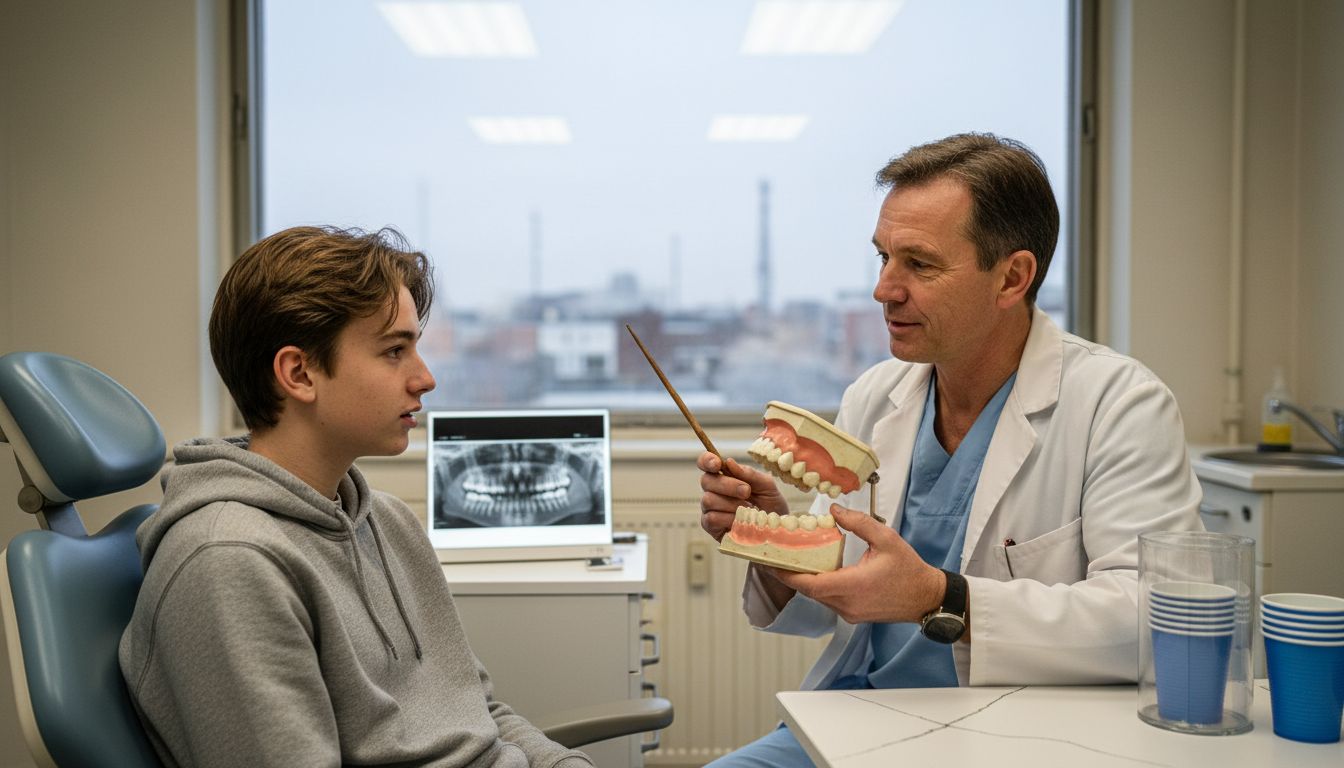
Advanced dental hygiene practices also consider individual factors like diet, genetic predispositions, and specific health conditions. Understanding that no single approach works universally, dental professionals encourage personalized oral care strategies. This might involve specialized cleaning techniques for individuals with braces, unique toothpaste recommendations for sensitive teeth, or targeted interventions for those with higher risks of periodontal disease. By adopting a comprehensive and customized approach, individuals can effectively protect their oral health and prevent potential dental complications.
Daily Habits and Professional Care Integration
The National Institute of Dental and Craniofacial Research emphasizes that effective oral health is not a standalone effort, but a synchronized approach combining daily personal practices with professional dental interventions. This integrated strategy creates a comprehensive defense against potential dental complications, ensuring long-term oral wellness through consistent and strategic care.
Key Components of Integrated Oral Care include:
- Daily personal hygiene routines
- Regular professional dental examinations
- Personalized preventive treatments
- Consistent monitoring of oral health changes
- Adaptive care strategies based on individual needs
Professional dental care plays a critical diagnostic and preventive role that personal hygiene cannot replace. A clean mouth might significantly impact overall health, extending beyond simple aesthetic concerns. Dentists can detect early signs of systemic health issues, provide deep cleaning procedures, and offer targeted interventions that address specific oral health challenges unique to each individual.
The synergy between daily habits and professional care creates a powerful approach to oral health maintenance. By combining meticulous home care with expert professional guidance, individuals can develop a proactive strategy that prevents potential dental issues, manages existing conditions, and maintains optimal oral functionality throughout their lifetime. This holistic approach recognizes that oral health is not just about treating problems, but about creating a sustainable, personalized framework for long-term wellness.
Risks of Poor Dental Hygiene and Disease Link
The Cleveland Clinic reveals the profound implications of poor dental hygiene, demonstrating that oral health extends far beyond simple tooth maintenance. Inadequate dental care can trigger a complex cascade of health complications that impact multiple bodily systems, transforming what seems like a localized issue into a potential systemic health risk.
Potential Health Consequences of Poor Oral Hygiene include:
- Increased risk of heart disease
- Higher likelihood of diabetes complications
- Potential respiratory infections
- Elevated inflammatory markers
- Compromised immune system response
The connection between oral health and systemic diseases is particularly striking. Heart health connections demonstrate how bacterial infections originating in the mouth can potentially migrate through the bloodstream, affecting cardiovascular function. Chronic gum inflammation, for instance, has been linked to increased risk of stroke, heart attacks, and other serious cardiovascular conditions.
Understanding these intricate health connections underscores the importance of comprehensive oral care. Bacteria and inflammation in the mouth are not isolated problems but potential precursors to more complex health challenges. Regular dental hygiene, professional check-ups, and proactive management of oral health can serve as critical preventive strategies, protecting not just teeth and gums, but potentially mitigating risks to overall systemic health.
Dental Hygienist’s Role in Modern Dentistry
Dental hygienists have evolved from traditional cleaning professionals to comprehensive oral health specialists, playing a pivotal role in preventive dental care. Their expertise extends far beyond routine tooth cleaning, encompassing patient education, advanced diagnostic skills, and critical interventions that protect overall health. These professionals serve as essential partners in maintaining comprehensive oral wellness, bridging the gap between routine maintenance and advanced dental treatments.
Key Responsibilities of Modern Dental Hygienists include:
- Conducting thorough oral health assessments
- Performing professional teeth cleanings
- Identifying early signs of dental diseases
- Developing personalized preventive care plans
- Educating patients about proper oral hygiene techniques
- Applying preventive treatments like fluoride and sealants
Professional development remains crucial in this dynamic field. Continuing education in dentistry ensures that dental hygienists stay current with emerging technologies, advanced diagnostic techniques, and evolving treatment protocols. Their role has transformed from purely mechanical cleaning to providing comprehensive, patient-centered care that considers individual health histories, genetic predispositions, and specific oral health challenges.
The modern dental hygienist functions as a critical healthcare professional, combining technical expertise with compassionate patient care. By offering personalized guidance, conducting detailed assessments, and working collaboratively with dentists, they help patients navigate complex oral health landscapes. Their holistic approach not only prevents dental issues but also contributes to broader health outcomes, making them indispensable members of the contemporary healthcare ecosystem.
Preserve Your Smile with Expert Dental Hygiene Care
Maintaining lifelong oral health starts with understanding the vital role dental hygiene plays in preventing disease and supporting overall well-being. This article highlights the importance of combining daily habits like brushing and flossing with professional interventions to avoid risks such as gum disease and systemic health issues. If you seek a tailored approach that addresses your unique dental needs, expert care is essential.

Take control of your oral health today by partnering with Dr. Kunal Narang and the welcoming team at DentalAteliers.com. From thorough dental cleanings to personalized preventive plans, their comprehensive services blend comfort and advanced dentistry designed for your lifelong smile. Don’t wait to protect your health—schedule your appointment online now and experience care that truly makes a difference.
Frequently Asked Questions
What are the key elements of dental hygiene?
Dental hygiene includes regular brushing with fluoride toothpaste, daily flossing, professional dental cleanings, proper nutrition, and understanding individual oral health risks.
How often should I visit the dentist for professional cleanings?
It is generally recommended to have professional dental cleanings at least twice a year, although some individuals may require more frequent visits based on their specific oral health needs.
Can poor dental hygiene affect my overall health?
Yes, inadequate dental care can lead to serious health complications, including increased risks of heart disease, diabetes complications, and respiratory infections due to the systemic connections between oral health and overall wellness.
What role do dental hygienists play in maintaining oral health?
Dental hygienists conduct thorough oral health assessments, perform cleanings, identify early signs of dental disease, develop preventive care plans, and educate patients on effective oral hygiene practices.

.svg)