
Over 75 percent of American adults say they have experienced anxiety about dental visits in the past year. As digital technology redefines nearly every part of daily life, its impact on modern dental care is profound. From 3D scanning to artificial intelligence, American patients now benefit from treatments that are faster, more precise, and noticeably more comfortable. Discover how these innovations are not only improving oral health but also making dental care more accessible and less intimidating for everyone.
Table of Contents
- Defining Technology’s Place In Dental Care
- Types Of Dental Technology Used Today
- How Innovations Improve Patient Comfort
- Digital Tools For Precision And Safety
- Financial And Accessibility Impacts For Patients
Key Takeaways
| Point | Details |
|---|---|
| Advancements in Technology | Modern dental practices utilize digital tools for improved diagnostic accuracy and enhanced treatment planning. |
| Patient Comfort Innovations | Technologies like laser treatments and virtual reality create a more comfortable dental experience, reducing anxiety. |
| Financial Accessibility | Digital tools streamline procedures, making dental care more efficient and cost-effective for patients. |
| Impact of Digital Tools | Innovations enable precise treatment execution, minimizing the potential for human error and increasing safety. |
Defining Technology’s Place in Dental Care
Technology has revolutionized dental care, transforming patient experiences from traditional manual procedures to precision-driven, digitally enhanced treatments. Modern dental practices leverage advanced technologies that improve diagnostic accuracy, treatment planning, and overall patient comfort. These technological innovations range from digital imaging systems and computer-aided design to sophisticated treatment protocols that minimize invasiveness and maximize treatment outcomes.
Dental technologies now integrate sophisticated tools like 3D digital scanning, intraoral cameras, and computer-assisted design/manufacturing (CAD/CAM) systems. These technologies enable dentists to capture incredibly detailed images of a patient’s oral structures, create precise digital impressions, and design custom restorations with millimeter-level accuracy. Dental Prosthetics Explained: Types, Benefits, Costs provides deeper insights into how digital technologies are reshaping prosthetic treatments.
Beyond imaging and design, technological advancements have dramatically improved patient treatment experiences. Advanced sedation technologies, digital pain management systems, and minimally invasive surgical techniques reduce patient anxiety and discomfort. Modern dental practices use noise-canceling headphones, virtual reality distraction techniques, and precision laser treatments to create a more comfortable and less intimidating environment. The integration of these technologies demonstrates a patient-centered approach that prioritizes both clinical effectiveness and individual comfort.
Pro Tip for Patients: Research the technological capabilities of your dental practice before scheduling an appointment, as advanced digital tools can significantly enhance your treatment precision, comfort, and overall dental care experience.
Types of Dental Technology Used Today
Modern dental practices are rapidly integrating cutting-edge technologies that transform patient care and treatment outcomes. These advanced technological solutions range from diagnostic imaging systems to precision treatment tools that enhance accuracy, efficiency, and patient comfort. Understanding the various types of dental technologies helps patients appreciate the sophisticated approaches now available in contemporary dental care.
One of the most significant technological advancements is digital imaging technology. Cone beam computed tomography (CBCT) represents a breakthrough in diagnostic imaging, providing dentists with incredibly detailed three-dimensional views of oral structures. These advanced scanning techniques allow for precise treatment planning, enabling dentists to visualize bone density, nerve locations, and complex anatomical details with unprecedented clarity. Dental Implants Explained: Benefits, Types, and Cost highlights how such imaging technologies have revolutionized procedures like implant placement.
Dental technologies now encompass a wide range of innovative tools. Intraoral scanners capture digital impressions with remarkable precision, eliminating the need for traditional messy physical molds. Computer-aided design and manufacturing (CAD/CAM) systems enable dentists to design and fabricate custom dental restorations like crowns, veneers, and bridges in a single appointment. Additional technological innovations include laser treatments for soft tissue procedures, digital pain management systems, and advanced diagnostic tools that can detect early signs of dental issues with incredible accuracy.
Pro Tip for Dental Patients: Ask your dentist about the specific technological capabilities of their practice, as modern dental technologies can significantly improve diagnostic accuracy, treatment comfort, and overall patient experience.
Here’s a summary of key dental technology types and the specific benefits they deliver to patients:
| Technology Type | Main Function | Benefit to Patients |
|---|---|---|
| 3D Digital Scanning | Creates detailed digital impressions | Ensures precise restorations |
| Intraoral Cameras | Visualizes inside the mouth | Improves diagnosis and patient trust |
| CAD/CAM Systems | Designs and fabricates restorations | Delivers same-day crowns/veneers |
| Digital Imaging (CBCT) | Generates 3D oral structure images | Enhances treatment planning |
| Laser Treatments | Performs tissue procedures | Reduces pain and recovery time |
| Air Abrasion | Removes decay gently | Minimizes drilling discomfort |
How Innovations Improve Patient Comfort
Dental technologies have dramatically transformed patient experiences, shifting from traditionally anxiety-inducing procedures to more comfortable, less invasive treatments. Modern dental practices prioritize patient comfort through innovative technologies that reduce physical discomfort, emotional stress, and overall treatment time. These advancements address multiple dimensions of patient experience, from diagnostic procedures to actual treatment interventions.
One remarkable technological innovation that enhances patient comfort is air abrasion technology, which provides a gentler alternative to traditional drilling methods. This technique uses a precise stream of fine particles to remove tooth decay without the aggressive vibrations and loud noises associated with conventional dental drills. Implant Dentistry Explained: Comprehensive Patient Guide emphasizes how such minimally invasive technologies significantly reduce patient anxiety and improve overall treatment experiences.
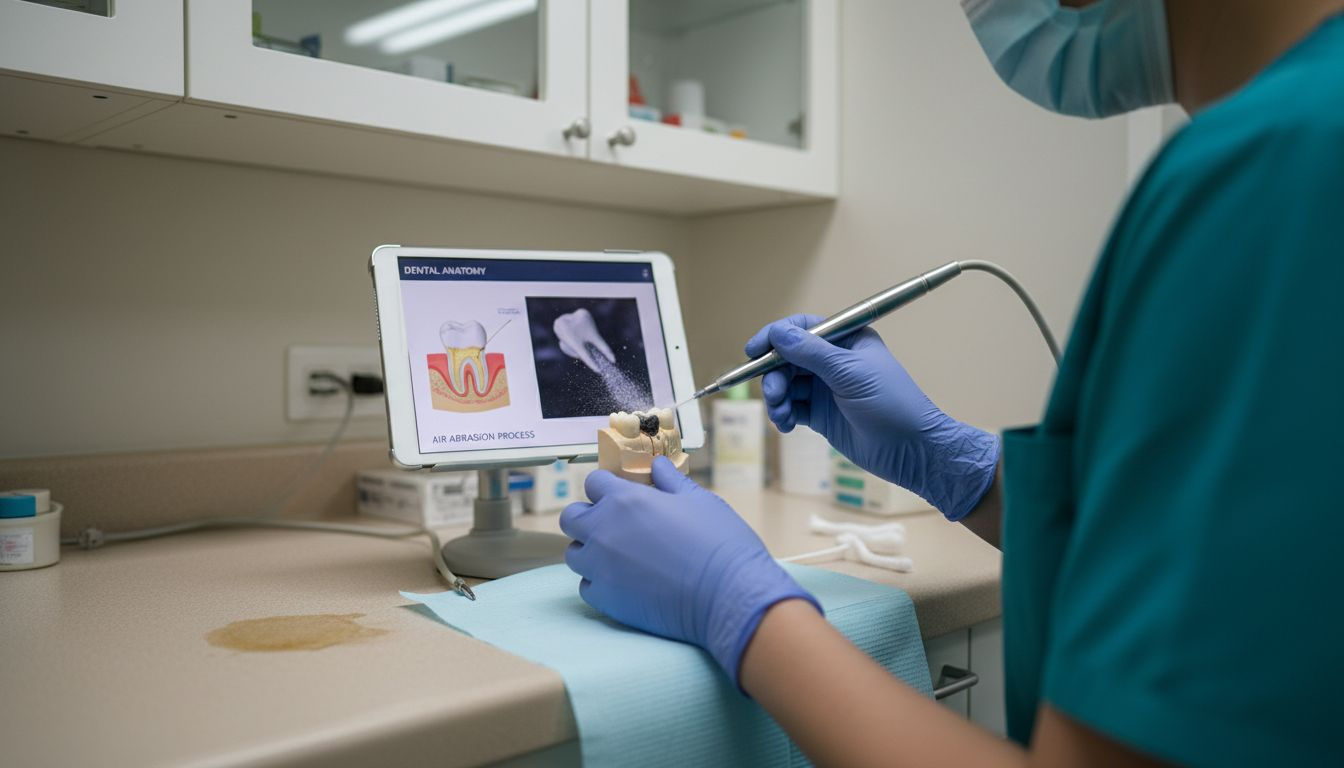
Modern dental practices now integrate multiple comfort-enhancing technologies. Intraoral cameras allow patients to see exactly what dentists see, demystifying procedures and reducing uncertainty. Digital sedation management systems help precisely control patient comfort levels, while virtual reality headsets and noise-canceling technologies create calming environments. Advanced laser treatments replace traditional surgical methods, offering more precise, less painful interventions with faster healing times. These technological approaches demonstrate a comprehensive commitment to patient-centered care that goes beyond mere medical treatment.
Pro Tip for Dental Comfort: Request a technology overview during your initial consultation to understand how your dental practice uses innovative tools to minimize discomfort and improve your overall treatment experience.
Digital Tools for Precision and Safety
Digital technologies have revolutionized dental practices by introducing unprecedented levels of precision, safety, and predictability in medical treatments. These advanced tools transform traditional approaches, enabling dentists to achieve more accurate diagnoses, create more personalized treatment plans, and execute procedures with minimal human error. The integration of cutting-edge digital technologies represents a significant leap forward in dental care methodology.
Advanced robotic assistance systems are emerging as game-changing innovations in dental procedures, offering extraordinary levels of precision previously unimaginable. These sophisticated technologies can compensate for subtle patient movements, provide real-time monitoring, and execute treatments with millimeter-level accuracy. Growing Teeth: A New Dental Frontier highlights how such technological advances are pushing the boundaries of what’s possible in dental treatments.
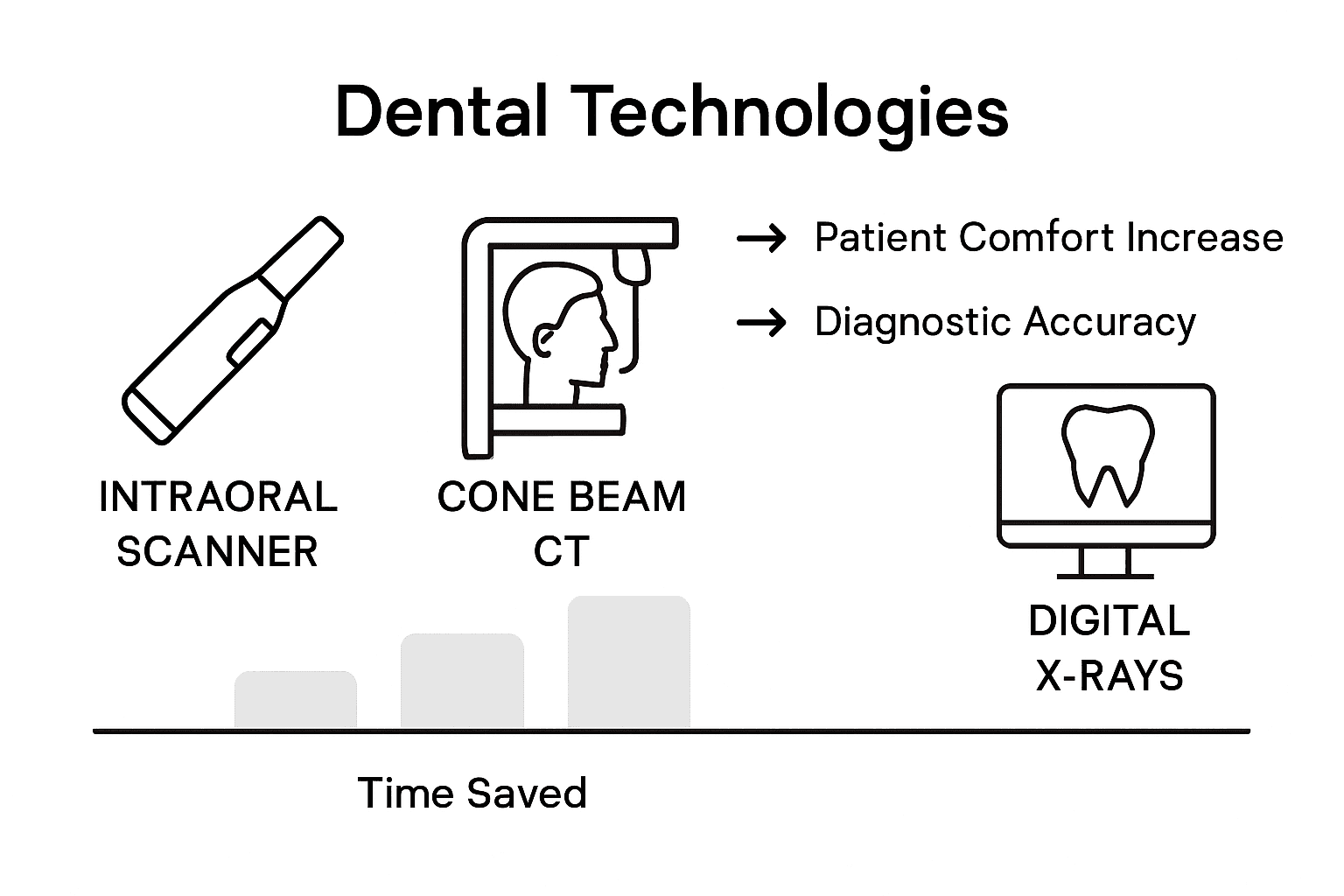
Modern digital tools encompass a wide range of precision technologies. Virtual articulators allow dentists to create detailed 3D models of a patient’s dental structure, enabling more accurate treatment planning. Digital imaging systems provide comprehensive views of oral anatomy, revealing intricate details that traditional x-rays might miss. Advanced software algorithms can now predict potential dental issues, analyze treatment outcomes, and create custom restoration designs with unprecedented accuracy. These technologies not only improve treatment precision but also significantly reduce the potential for human error.
Pro Tip for Informed Patients: Always ask your dental professional about the specific digital technologies they use, as these tools can dramatically enhance the accuracy, safety, and effectiveness of your dental treatments.
Financial and Accessibility Impacts for Patients
Technological advancements in dental care are fundamentally reshaping the financial landscape of healthcare, making treatments more accessible, efficient, and cost-effective for patients. Digital technologies are breaking down traditional barriers that have historically made comprehensive dental care prohibitively expensive or difficult to obtain. By streamlining procedures, reducing treatment times, and improving diagnostic accuracy, these innovations are creating new opportunities for patients across different economic backgrounds.
Digital technologies are transforming pediatric dental care accessibility, particularly by reducing overall treatment costs and expanding care options for younger patients. Transparent Dental Pricing Benefits Explained Clearly illustrates how technological integration allows dental practices to provide more predictable and understandable pricing structures. Advanced diagnostic tools can now detect potential issues earlier, preventing more expensive treatments down the line and ultimately saving patients significant financial resources.
The economic impact of dental technologies extends beyond direct treatment costs. Workflow optimization technologies enable dental practices to reduce administrative overhead, potentially translating to lower patient expenses. Digital imaging, electronic record-keeping, and automated scheduling systems minimize time-consuming manual processes, allowing practices to operate more efficiently. Telemedicine and remote consultation technologies further reduce patient costs by minimizing unnecessary in-person visits and enabling preliminary assessments without full appointment fees. These technological innovations create a more patient-centric approach that prioritizes both financial accessibility and high-quality care.
The table below highlights how digital dental technologies improve practice efficiency and financial accessibility:
| Technology | Workflow Efficiency Impact | Financial Accessibility Benefit |
|---|---|---|
| Digital Imaging & Records | Speeds up data retrieval | Fewer appointments, lower costs |
| Automated Scheduling | Streamlines appointments | Minimizes missed visits, saves money |
| Telemedicine Tools | Enables remote consultations | Reduces travel and time off work |
| Workflow Optimization | Reduces administrative overhead | Allows practices to offer lower prices |
Pro Tip for Budget-Conscious Patients: Always discuss the technological capabilities of your dental practice during initial consultations, as practices with advanced digital tools can often provide more cost-effective and precise treatments.
Experience the Future of Dental Care Today
Are you searching for a dental practice that embraces the latest technology to transform your dental experience? The article highlights challenges patients face, such as discomfort, anxiety, and uncertain treatment outcomes. It explains how technologies like digital scanning, CAD/CAM restorations, and advanced pain management improve precision and comfort. At DentalAteliers.com, Dr. Kunal Narang’s practice in Lynnwood, WA, tackles these concerns head-on by combining cutting-edge digital tools with a warm, patient-centered environment enhanced by amenities like noise-canceling headphones and TVs.
Discover services like same-day crowns, Invisalign, and All-on-4 implants designed to deliver precise and comfortable results. Don’t let fear or unclear treatment options hold you back. Visit DentalAteliers.com to explore detailed treatment descriptions and transparent pricing. Schedule your appointment now to experience dental care transformed by technology and compassion. Learn more about implant dentistry and cosmetic dental procedures that prioritize your comfort and lasting health.
Frequently Asked Questions
How has technology improved dental imaging?
Technology has significantly enhanced dental imaging by introducing digital systems like cone beam computed tomography (CBCT), which provides detailed 3D views of oral structures. This precision allows for better treatment planning and diagnosis, enabling dentists to visualize intricate anatomical details.
What are CAD/CAM systems and how do they benefit patients?
CAD/CAM systems are computer-aided design and manufacturing tools that allow dentists to design and create custom dental restorations, such as crowns and bridges, in a single appointment. This technology enhances precision and reduces treatment time, leading to greater patient satisfaction.
How do modern technologies enhance patient comfort during dental procedures?
Modern dental technologies improve patient comfort through innovations like air abrasion, which provides a less painful alternative to drilling. Additionally, digital sedation management, virtual reality, and noise-canceling technologies create a calming environment that reduces anxiety during treatment.
Why is it important to consider the technological capabilities of a dental practice?
Understanding the technological capabilities of a dental practice is crucial as advanced tools and systems can significantly enhance the precision of diagnoses, the comfort of treatments, and overall patient experience. These technologies often lead to faster, more efficient procedures and better outcomes.

.svg)