
Nearly half of American adults skip regular dental cleanings, yet these visits do far more than polish your smile. Oral health plays a major role in overall wellness, and missing professional cleanings increases your risk of gum disease, tooth decay, and even heart problems. From what tools hygienists use to how each cleaning prevents future dental issues, learn what really happens behind the scenes and how choosing the right dental care can make all the difference.
Table of Contents
- What Dental Cleanings Actually Involve
- Types of Dental Cleanings Explained
- How Cleanings Prevent Disease and Decay
- Risks of Skipping Professional Cleanings
- Cost, Comfort, and Common Misconceptions
Key Takeaways
| Point | Details |
|---|---|
| Importance of Dental Cleanings | Professional dental cleanings are crucial for maintaining optimal oral health by removing plaque and tartar buildup that regular brushing cannot eliminate. |
| Types of Cleanings Available | Various cleaning types, including routine, deep, and specialized options, cater to different patient needs and gum health conditions. |
| Prevention of Oral Diseases | Regular cleanings help prevent cavities and gum disease, reducing the risk of serious health complications linked to poor oral hygiene. |
| Addressing Misconceptions | Many patients believe cleanings are painful and unnecessary; however, they are typically gentle, efficient, and essential for everyone, regardless of home care habits. |
What Dental Cleanings Actually Involve
Dental cleanings represent a comprehensive professional process designed to maintain optimal oral health beyond standard home hygiene practices. Professional dental cleaning procedures involve several systematic steps that thoroughly eliminate plaque, tartar, and bacteria from teeth and gum surfaces.
The typical dental cleaning process begins with a detailed physical examination of your mouth. A dental hygienist carefully inspects your teeth and gums, checking for signs of potential issues like gingivitis, cavities, or other oral health concerns. After the initial assessment, they use specialized metal tools to gently scrape away hardened tartar and plaque from tooth surfaces and along the gumline. This critical step removes buildup that cannot be eliminated through regular brushing and flossing at home.
Following tartar removal, the hygienist will polish your teeth using a gritty professional toothpaste that helps remove surface stains and smooths tooth enamel. Comprehensive dental cleanings then progress to expert flossing, which reaches areas between teeth that are challenging to clean independently. Many practices also include a fluoride treatment to strengthen tooth enamel and provide additional protection against decay.
Pro Tip: Schedule Dental Cleanings Early: Book your dental cleaning appointments in the morning when you’re typically more alert and less stressed, which can help you feel more comfortable during the procedure.
Each step of a professional dental cleaning serves a specific purpose in maintaining long-term oral health. By removing accumulated debris and bacteria, these procedures prevent potential complications like tooth decay, gum disease, and more serious systemic health issues connected to oral hygiene.
Types of Dental Cleanings Explained
Dental professionals offer several specialized cleaning procedures tailored to different oral health needs and conditions. The most common types include routine preventive cleanings, deep cleanings, and specialized periodontal treatments designed to address specific dental challenges.
Routine Dental Cleaning represents the standard preventive procedure most patients receive during regular check-ups. These cleanings focus on removing surface plaque and tartar, polishing teeth, and providing fluoride treatments. Scaling and root planing techniques help eliminate buildup that standard brushing cannot reach, ensuring comprehensive oral hygiene.
Deep Dental Cleaning, also known as periodontal therapy, targets patients with more advanced gum disease or significant tartar accumulation. Dental professionals use specialized tools to remove bacteria and calculus beneath the gumline, smoothing root surfaces to prevent future bacterial growth. This intensive procedure typically involves multiple visits and may require local anesthesia to ensure patient comfort.
Additional specialized cleaning types include:
- Prophylaxis cleaning for generally healthy teeth
- Gross debridement for extensive tartar buildup
- Periodontal maintenance for patients with ongoing gum disease
Pro Tip: Know Your Cleaning Type: Ask your dental hygienist to explain which specific type of cleaning you need, as understanding your oral health status can help you better prepare for the procedure.
Each cleaning type serves a unique purpose in maintaining optimal oral health, addressing individual patient needs through targeted professional interventions.
Here’s a quick comparison of common dental cleaning types and who benefits most:
| Cleaning Type | Target Patient Group | Key Procedure Feature |
|---|---|---|
| Routine Cleaning | Most adults and children | Removes surface plaque and tartar |
| Deep Cleaning | Those with gum disease | Cleans below gumline, multiple visits |
| Gross Debridement | Severe tarter buildup cases | Removes heavy hardened deposits |
| Periodontal Maintenance | Patients with ongoing gum issues | Frequent cleanings, tailored care |
How Cleanings Prevent Disease and Decay
Dental cleanings play a crucial role in preventing serious oral health complications by systematically removing harmful bacteria and buildup that can lead to significant dental problems. Regular dental cleanings help prevent cavities by targeting the primary sources of tooth decay and gum disease before they can cause permanent damage.
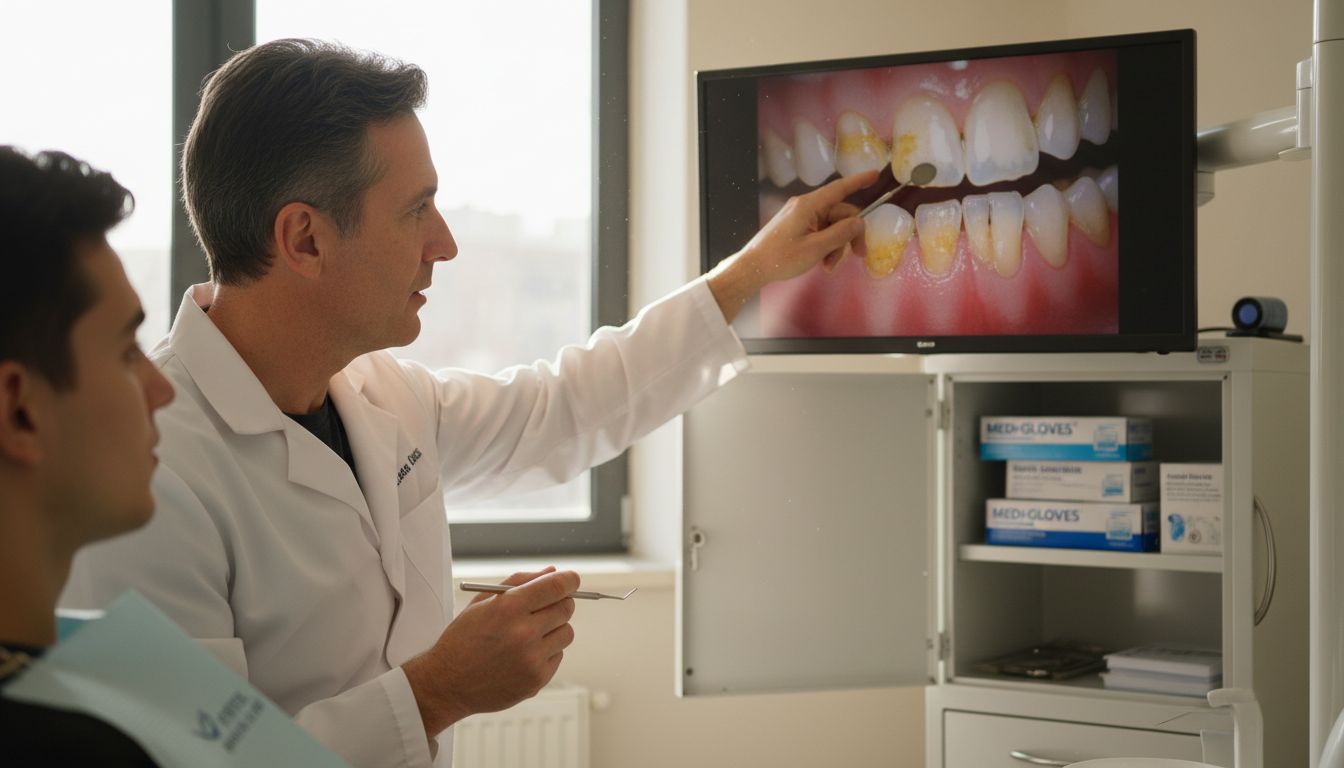
The primary mechanism of disease prevention involves removing plaque, a sticky bacterial film that continuously forms on teeth. When plaque is not removed regularly, it hardens into tartar, which cannot be eliminated through normal brushing and flossing. These bacterial deposits create ideal conditions for tooth decay, producing acids that erode tooth enamel and create cavities. Professional cleanings disrupt this destructive cycle by thoroughly removing plaque and tartar, preventing the progression of bacterial infections.
Beyond cavity prevention, dental cleanings are essential in stopping periodontal disease, a serious condition that can lead to tooth loss and has connections to broader health issues. The bacteria responsible for gum disease can potentially enter the bloodstream, contributing to systemic health problems like heart disease, diabetes complications, and respiratory infections. By removing harmful bacteria and providing a clean oral environment, dental professionals help patients maintain not just oral health, but overall wellness.
Key preventive benefits of regular dental cleanings include:
- Eliminating bacteria before they cause permanent damage
- Stopping plaque and tartar buildup
- Detecting early signs of dental issues
- Preventing gum inflammation and infection
- Reducing risk of systemic health complications
Pro Tip: Consistency Counts: Schedule dental cleanings every six months to maintain optimal oral health and catch potential issues before they become serious problems.
Through comprehensive cleaning and early detection, dental professionals provide a critical service in maintaining long-term health, protecting patients from the cascading effects of untreated oral bacteria and infections.
Risks of Skipping Professional Cleanings
Skipping professional dental cleanings can create a cascade of serious oral health complications that extend far beyond simple inconvenience. The absence of routine professional cleanings allows harmful bacteria to proliferate, creating an environment where dental disease can rapidly develop and potentially compromise your overall health.
The most immediate risk involves plaque and tartar accumulation, which professional cleanings are designed to prevent. When plaque is not professionally removed, it hardens into tartar, a stubborn substance that cannot be eliminated through regular brushing. This buildup creates ideal conditions for bacterial growth, leading to tooth decay, gum inflammation, and potential periodontal disease. The longer these deposits remain, the more difficult and expensive future treatments become.

Beyond localized dental issues, skipping professional cleanings can potentially contribute to broader systemic health problems. Oral bacteria can enter the bloodstream through infected gums, potentially increasing risks of heart disease, diabetes complications, and respiratory infections. Chronic inflammation triggered by untreated oral infections can compromise the body’s immune response and create long-term health challenges that extend well beyond dental concerns.
Specific risks of neglecting professional dental cleanings include:
- Increased likelihood of cavities
- Higher probability of developing gum disease
- Potential tooth loss
- Greater risk of systemic health complications
- More expensive future dental treatments
Pro Tip: Early Detection Matters: Schedule regular dental cleanings to catch potential issues before they become complex, costly problems requiring extensive intervention.
Professional dental cleanings are not merely a cosmetic procedure but a critical preventive healthcare strategy that protects both oral and overall physical well-being.
Cost, Comfort, and Common Misconceptions
Dental cleaning costs and perceptions vary widely, with many patients harboring unnecessary fears and misunderstandings about the procedure. Understanding the financial and emotional landscape of professional dental cleanings can help patients make more informed decisions about their oral health.
The financial aspect of dental cleanings is often less intimidating than patients assume. Routine cleanings typically range from $100 to several hundred dollars when paid out-of-pocket, though many dental insurance plans cover preventive care completely. Insurance coverage and dental membership plans can significantly reduce out-of-pocket expenses, making professional cleanings an accessible and cost-effective health investment. The long-term savings from preventing complex dental issues far outweigh the initial cleaning costs.
Patient comfort is another area riddled with misconceptions. Many people unnecessarily dread teeth cleanings, imagining painful or invasive procedures. In reality, professional cleanings are generally simple, minimally invasive, and designed with patient comfort in mind. Modern dental practices offer various techniques to minimize discomfort, including gentle scaling methods, numbing options, and relaxation techniques for anxious patients.
Common misconceptions about dental cleanings include:
- Cleanings are always painful
- The procedure is unnecessary if you brush regularly
- Professional cleanings are too expensive
- Only people with existing dental problems need cleanings
- Cleanings damage tooth enamel
Pro Tip: Budget Wisely: Ask your dental office about payment plans, insurance coverage, and preventive care packages to make professional cleanings more affordable and accessible.
By understanding the true nature of dental cleanings – their affordability, comfort, and critical role in preventive healthcare – patients can approach oral hygiene with confidence and proactive care.
Compare comfort, costs, and misconceptions about dental cleanings to better understand the overall patient experience:
| Aspect | Typical Reality | Common Misconception |
|---|---|---|
| Cost | Often covered by insurance or plans | Always costly out-of-pocket |
| Comfort | Usually gentle and minimally invasive | Always painful or uncomfortable |
| Necessity | Needed for everyone, even with good habits | Only needed for existing issues |
| Effect on Teeth | Helps strengthen and clean enamel | May damage tooth surfaces |
Protect Your Smile with Expert Dental Cleanings at DentalAteliers
Maintaining lasting oral health requires more than just daily brushing at home. As the article highlights, professional dental cleanings remove stubborn plaque and tartar buildup that lead to tooth decay and gum disease. If you want to avoid costly and painful dental issues caused by missed cleanings, it is essential to trust a practice that understands these challenges and prioritizes your comfort and care.

Experience a warm, patient-centered environment at DentalAteliers.com where Dr. Kunal Narang and his team specialize in thorough cleanings tailored to your needs. From routine preventive cleanings to deeper periodontal care, we use modern techniques to keep your smile healthy and strong. Don’t wait until problems become serious Act now to schedule your professional dental cleaning and take the first step toward preventing cavities, gum disease, and systemic health risks. Learn more about our comprehensive dental services and book your appointment easily through our website.
Frequently Asked Questions
What are the steps involved in a dental cleaning?
A typical dental cleaning involves a physical examination of your mouth, scraping away tartar and plaque, polishing teeth, expert flossing, and often a fluoride treatment for extra protection.
How often should I schedule my dental cleanings?
It is recommended to schedule dental cleanings every six months to maintain optimal oral health and catch potential issues early.
What are the different types of dental cleanings?
The main types include routine dental cleanings for general prevention, deep cleanings targeting gum disease, gross debridement for severe buildup, and periodontal maintenance for ongoing gum issues.
What are the risks of skipping professional dental cleanings?
Skipping cleanings can lead to increased plaque and tartar buildup, higher chances of cavities and gum disease, potential tooth loss, and even systemic health complications due to untreated oral bacteria.

.svg)